Hot Dogs research team member Dr Dan O’Neill recently joined Jo Good and Anna Webb on “Barking at the Moon” on BBC Radio London to talk all things “Hot Dogs”.
In this Dogs Trust funded study, we reviewed all heat-related illness (HRI) cases from the 167,000 dogs presented to Vets Now (the UK’s largest emergency and critical care veterinary provider) during the UK’s current hottest year on record, 2022.
There were 384 cases, meaning 2 out of every 1000 dogs presenting to Vets Now in 2022 were treated for HRI. Highlighting the severity of this condition, the fatality rate was 26.6%; 1 in every 4 dogs treated for HRI died.
We should highlight that this new study deliberately targeted an emergency and critical care clinic population, so the results can not be compared our previous study of dogs under primary veterinary care during 2016.
Use human heat-health alerts for dogs too
Unsurprisingly, most of 2022’s HRI cases presented in July which saw the first UK temperature recorded over 40°C. Reflecting our previous study in 2016, dogs were affected all year round.
Overall, 80.5% of HRI events occurred during summer (June-August), and 74.1% of those summer cases occurred during the five heat-health alert periods declared by the UK Health Security Agency (UKHSA):
Number of canine HRI cases presented each month during 2022, with cases during the five heat-health periods highlighted in red.
Five times as many dogs presented to Vets Now clinics during the heat-health alert periods, than during the cooler parts of summer.
We are therefore urging all owners to use human heat-health alerts to help prevent HRI in dogs. During heat-health alert periods we recommend avoiding known triggers of HRI as far as practically possible, especially in at risk dogs:
Exercise
Exposure to hot indoor and outdoor environments (especially if there is no shade or access to water for cooling)
Travelling in hot vehicles
Visiting stressful environments (such as groomers and potentially routine veterinary care visits that could be delayed if the dog gets stressed)
What are the main triggers of HRI in UK dogs?
Overall, of the dogs with at least one trigger in their clinical history 51.5% included mention of exercise. However, 9.5% of cases included multiple possible triggers in the dog’s clinical history; for example the dog had been on a walk, in hot weather, then transported in a hot vehicle to the veterinary practice. Any, or all of those triggers could have contributed to the dog’s condition.
The following diagram illustrates the number of HRI events that included a history of each trigger, with overlapping sections indicating multiple potential triggers:
This diagram shows the number of canine HRI events that included each trigger in the clinical history. Overlapping regions indicate multiple triggers recorded.
In this dataset, we recognised “seizing” (having a fit) as a type of HRI trigger. When dogs experience a seizure, their muscles contract and spasm which generates heat, therefore the longer the seizure lasts, the more heat generated which can lead to HRI. To complicate matters, moderate-severe HRI can also CAUSE seizures, (in both epileptic dogs and non-epileptic dogs) so it isn’t always possible to tell what came first, the seizure or the HRI. Regardless, any dog experiencing a seizure during hot weather, or seizing for more than 1-2 minutes is at risk of fatal HRI so should receive veterinary care ASAP.
What should you do if your dog overheats?
Over 50% of the dogs presented for veterinary care with severe HRI died. This mirrors the results of our previous study of dogs treated for HRI in primary-care vet practices during 2016-2018. In contrast, 95% of dogs presented with mild-moderate HRI survived. We are therefore urging ALL dog owners to learn how to recognise the MILD signs of HRI, so they can take action as soon as possible to prevent disease progression, and potentially save a life.
No matter the cause of overheating, the aim should be to prevent further body temperature increase and promote cooling. As soon as a dog has overheated we recommend you:
Move the dog into the shade, ideally to a well ventilated area with air movement from wind/air conditioning/a fan.
Stop anything that could make the dog hotter, including exercise, stress, play.
COOL FIRST, TRANSPORT SECOND!
If the dog needs transporting home/to a veterinary clinic:
Cool using water. Pour any available water (cooler than the dog) over the dog and ensure air movement. For thick coated breeds focus on the neck, belly, groin and legs. Do NOT pour water near the head.
Offer small amounts of drinking water, but do not force the dog to drink.
Cool the vehicle before the dog enters, open windows and “pump” air out (if you open the windows on one side of the vehicle, then open and close the doors on the opposite side this will replace hot air with cooler outside air) or switch on air conditioning.
Ensure the dog is legally and safely restrained whilst travelling, and ideally maintain air movement over the dog if further cooling is needed.
Call a vet ASAP if there are any concerns the dog’s condition is serious, or may deteriorate.
Ares the dog being cooled using cold-water from a hose pipe, in the shade, with air movement.
Our second article on cooling hot dogs has been published, so as the UK weather turns warmer, now is the time to re-fresh your knowledge on the latest evidence on cooling hot dogs:
We’ll start by thanking all of the dogs (and their owners) who participated in this study, as we couldn’t have done it without them! The study involved measuring ear temperature (more on this in our previous post) at three time points – 0-minutes (immediately after the dogs crossed the finish line), 5-minutes (after any initial post-exercise cooling) and 15-minutes after exercise – the dogs completed canicross races or training events in the UK. We asked owners to tell us how they managed their dogs in the period immediately after exercise, including any cooling actions and if the dog was housed in a vehicle, whilst we measured both the dogs’ temperatures and the ambient weather conditions. Just to be clear, when we say dogs were housed in vehicles, they were under direct supervision at all times and most of the events took place in the winter, in the early morning before ambient temperatures had started to rise. At some events, dogs were housed in vehicles to stop them getting too cold – especially the thin coated Lurcher types!
We observed five main approaches to post-exercise management of canicross dogs: water immersion, walking the dog outside, standing the dog outside, applying a cooling jacket, and no cooling (dog housed immediately in a vehicle).
Box plot of the immediate post-exercise body temperature of canicross dogs, grouped by post-exercise management action.
As you can see, there was a lot of variation in post-exercise body temperature, with dogs finishing the events with ear temperatures measuring anywhere from 37.0 to 42.2°C. It is also worth noting that most of the events took place during the autumn-winter racing season in the UK, the ambient weather conditions (measured using wet bulb globe temperature) ranged from 0.4 to 24.6°C with a median temperature of 8.5°C. Before you consider judging the owners who took no cooling action, remember there was snow on the ground for some of these events, and no dogs suffered any adverse effects from either the exercise, or post-exercise management during the course of the two-year study.
A key finding we would like to highlight to all dog owners, is that around a quarter of the dogs had peak temperatures measured AFTER the exercise had finished, despite being cooled. Why is that important? The reason our core body temperature continues to rise after exercise is due to heat from the muscles being gradually re-distributed around the rest of the body by the blood circulation. Had we measured the dog’s muscle temperature immediately post-exercise, there would have been a difference between muscle and ear temperature, and that difference would have reduced as time progressed. Back to why that is important! We know both the degree of core body temperature elevation above 43°C (just how high the dogs temperature reaches), and the duration of elevation (how long the dog’s temperature remains critically high) contribute to disease severity and fatality from heat-related illness. One of the most heat-sensitive tissues is the brain, and brain damage can prove fatal to dogs with heatstroke. So the longer we allow the dog to remain hot, the more muscle heat can redistribute raising the dog’s core temperature, increasing the risk of severe heat-related illness. If you observe early signs your dog may be developing heat-related illness, simply stopping exercise may not be enough as their core temperature could continue to rise as the heat from their muscles redistributes to the rest of the body.
So which cooling method is best?
Unfortunately, we can’t answer that question from the results of this study; because this was an observational, field based study, the ambient weather conditions varied, the dogs themselves took part in different length races, the water for cooling varied by temperature at each event, and the cooling methods used by their owners were not standardised. In addition, if you look at the box-plot above, its probable the dog’s post-exercise temperature influenced their owner’s decisions about which cooling method to use. In addition, some dogs self-selected water immersion as the cooling method which, again, may have been influenced by their body temperature.
Hendricks opting for a mid run water immersion in a nice puddle (note the chunks of ice present!).
Whilst we can’t definitively say cold-water immersion is the most effective cooling method based on our study, there is a wealth of literature from humans, horses and dogs (see our previous post) to support cold-water immersion as the most rapid way to reduce body temperature.
We can, however, report we observed no adverse effects in any of the dogs cooled using cold-water immersion in our study, and can confidently report cold-water immersion is an effective cooling method for hot dogs. The water available for cooling ranged from 0.1 to 15°C, so would be defined as “cold” as opposed to “tepid”. Many dogs entered this water voluntarily (or should we say enthusiastically!) and remained in the water throughout the first 5 minutes post-exercise.
“Cold-water immersion is an effective cooling method for hot dogs.”
Ronin chilling in his paddling pool at one of the warmer events.
Cool first, transport second
A key finding from our study supports this important message; if your dog overheats for any reason: cool first, transport second. If we review the average (mean) body temperature of all the dogs post-exercise, grouped by their management type (water immersion, walked outside, stood outside, cooling coat, none) and whether or not they were subsequently housed in a vehicle (dotted lines) in the figure below, we can see the hottest dogs were cooled using water immersion. More importantly, we can see no matter the cooling action applied, if the dog was subsequently housed in a vehicle, they cooled less.
Line chart showing the mean canine temperature at each time point, by post-exercise management method used, The solid black line is water immersion, all dotted lines indicate dogs who were housed in a car after exercise.
The reason dogs cool less once they’re housed in a vehicle is likely due to several factors. The internal car temperature is likely higher than the outside ambient temperature unless the air conditioning is in use, in addition, even with all windows open the dog will experience less air movement inside a vehicle, and air movement is important for evaporative cooling from wet surfaces (after water immersion for example). In our study, by 15-minutes post-exercise, over 80% of the dogs had a normal body temperature, despite many being housed in vehicles. However, consider that all of these canicross events took place in the morning, and mostly during the winter months with cool ambient temperatures. In the summer the internal vehicle temperatures would be hotter, potentially dangerously hot! So if you need to transport a hot dog for any reason we recommend:
Cool the dog before they enter the vehicle, ideally monitor their body temperature and aim to drop this below 40°C.
Cool the vehicle interior any way you can, open doors and windows (if safe to do so), or switch on air conditioning.
Transport the dog in compliance with any legal requirements, but ideally ensure continuous air movement over the dog to facilitate ongoing cooling if they remain overheated.
In a emergency situation, phone your veterinary practice for advice.
Cool using water – the colder the better
Cooling myths circulate every summer on human, canine and even equine social media sites, but the advice to “only use tepid/lukewarm water” is not supported by evidence. The longer the dog stays hot, the more damage potentially occurring and tissues like the brain and kidney may never recover.
Use whatever water you have available – provided it is cooler than the dog. One study simulating a hot, desert climate demonstrated that dogs can cool even in 30°C water. In our study, 0.1°C water was voluntarily entered by the dogs, resulting in rapid, effective cooling and no adverse effects to the dogs.
Water immersion isn’t without risks. Dogs can drown in water of any temperature! So when it comes to cooling with water there are two options available, but only one is safe for ALL dogs.
Evaporative cooling (application of water – spray, sponge, pour – combined with air movement):
Appropriate for ALL dogs, regardless of health or consciousness.
Safe for older dogs, dogs with underlying health concerns, respiratory disease, and even comatose dogs.
Ares the dog demonstrating evaporative cooling – in the shade, hose to apply water spray, fan for air movement.
Cold-water immersion (or should that be whatever-temperature-water available immersion!):
Only appropriate for CONSCIOUS dogs, otherwise the risk of drowning is too great.
Most appropriate for healthy dogs, so those younger and fitter, without respiratory disease, brachycephaly (flat faces), or cardiovascular disease.
If the dog attempts to leave the water, let them.
A final point to finish, if the worst does happen and your dog develops heatstroke (severe heat-related illness) and loses consciousness, they will stop panting. As a result, they will cool more slowly, so you will need to be more aggressive with your cooling measures to bring their body temperature down.
Current advice is to STOP COOLING once the dog’s temperature drops below 40°C (many texts say stop at 39.5°C). This is especially important for older dogs, unwell dogs, and unconscious/comatose dogs as they will struggle to regulate their body temperature.
So as the temperatures in the northern hemisphere start to rise, make sure you have a plan to beat the heat with your dog. If in doubt, don’t go out! But if your dog does overheat, do you have water to cool them?
Ares always knows where the nearest water is for cooling!
Finally, the sun is starting to make a regular appearance in the UK again. The annual #DogsDieInHotCars campaign has officially launched (more on this shortly), which means summer is coming! And we have a new publication to share with you and some tips for risk assessing your dog’s safety in the warmer weather.
Our latest research paper reviewed all of our previous findings to identify the risk factors for severe and fatal heat-related illness (HRI). We also explored two important additional factors for UK dogs: location, and ambient temperature. If you want to read the full results they are available open access here:
So which dogs are at greatest risk of heat-related illness?
Our previous research showed that overall, HRI is more likely to affect certain breeds (the Chow Chow, Bulldog, French Bulldog, Pug, Golden Retriever, Greyhound and Cavalier King Charles Spaniel to name a few), dogs with flat-faces (brachycephalic dogs), overweight dogs, older dogs, large breed dogs and purebred dogs in more affected. We also know that exercise is the most common cause of HRI in UK dogs, triggering almost 75% of cases, and some breeds (those listed above plus the Labrador Retriever, English Springer Spaniel, Staffordshire Bull Terrier and Border Collie) are more likely to develop HRI due following exercise.
But it is important to recognise that HRI is progressive disorder, meaning dogs start with mild disease but can progress to more severe, potentially fatal disease if their temperature continues to climb or remains too hot for too long. Over 90% of dogs presented for veterinary treatment with mild to moderate signs of HRI survived, whilst more than half of those presented with severe disease died. Our latest research paper specifically explored the factors that make severe and fatal HRI more likely once a dog is affected.
Which dogs are most likely to develop severe disease?
Severe HRI is characterised by vomiting and diarrhoea with blood present, repeated or continuous fitting (seizures), neurological damage (such as loss of consciousness and uncoordinated movement), bleeding disorders and kidney and liver damage. Less than half of the dogs with severe HRI will survive, despite veterinary treatment. If your dog develops HRI, the following factors make it more likely that they will develop severe disease:
AGE: Dogs aged 4 years or over (and particularly those aged 12 years or over) at more likely to develop severe HRI than dogs aged under 2 years of age. This is likely due to a number of reasons related to both lifestyle and lifestage. In people, young men are more likely to develop HRI caused by exercise because they are more physically active (either due to sports or physically demanding job roles). Older people are more at risk of environmental HRI (HRI triggered by heat waves or just hot weather) because they cannot cool down as effectively as mechanisms such as a sweating become less effective with age as heart function deteriorates. We suspect the same is true for our canine companions (whilst dogs do not sweat to cool, they still rely on mechanisms that need strong blood flow). Certainly older people and animals struggle to keep cool in the heat, and this is worsened by conditions such as heart disease, obesity, and breathing problems.
BODYWEIGHT: Dogs also have to obey the laws of physics so bigger, heavier dogs will get hotter quicker during exercise (more muscle to generate heat), and lose heat more slowly than small dogs. Dogs weighing under 10kg are less likely to develop severe HRI, and this is because they can cool more quickly, so don’t stay hot for as long as larger dogs. It could also be because small dogs are more likely to be carried, so if they get too hot we can pick them up, which helps to stop them getting hotter on walks.
EXPOSURE TO HEAT: This one is important. Dogs don’t die just in hot cars. Anything that causes a dog’s body temperature to rise and remain high can potentially lead to HRI, including hot weather, hot cars, hot buildings, being trapped in hot blankets, getting stressed at the groomers or at the vets, and most commonly getting hot whilst exercising. Dogs left in hot cars are more likely to develop severe disease compared to dogs that develop HRI following exercise. Why is this important? Because the key factors here IS YOU! If you leave your dog in a hot car, they are alone. Dogs don’t have thumbs, they can’t open the window to escape, you are leaving them to cook. UK cars can reach over 50°C, and can reach that temperature rapidly in direct sunshine. In comparison, dogs that develop HRI following exercise are usually with their owner, so you have an opportunity to spot the early signs of mild to moderate disease and take action before the disease can progress to the potentially deadly severe form.
That’s not to say that exercise induced HRI isn’t deadly, in fact more dogs died due to HRI following exercise than died following vehicular HRI, because the vast majority of dogs affected by HRI in the UK were triggered by exercise. So you can make a real difference here, and if the weather is heating up, stop and think carefully – if in doubt, don’t take them out!
This year (2022), the Dogs Die in Hot Cars campaign has been expanded to include this new message, Dogs Die on Hot Walks, all down to our Hot Dogs research.
Which dogs are most at risk of dying from HRI
Unsurprisingly, dogs that develop severe HRI are most likely to die. In fact they have 65 times the odds of death compared to dogs that only develop mild disease – and remember these are all dogs that presented to a vet for treatment. So knowing the early signs of HRI, and taking action to prevent the condition from worsening by cooling, stopping exercise, getting the dog into a cool area and seeking veterinary treatment can save your dog’s life.
Again, older dogs (this time dogs aged 8 years or older) are more likely to die if they develop HRI. This is likely due to a number of factors, including the fact that older dogs are more likely to have underlying health problems that impact their odds of survival.
Dogs with flat faces (brachycephalic dogs) are more likely to die if they develop HRI. This one is really important. Note that being flat faced DID NOT increase the risk of developing severe HRI, and whilst we can’t prove why, we have a theory we urge all flat-faced dog owners to consider. The first sign that indicates your dog is too hot is panting. In a healthy dog with a healthy respiratory tract, panting is normal and incredibly effective at cooling. If your dog has ANY kind of respiratory disease – specifically brachycephalic obstructive airway disease or BOAS – then panting is not as effective (so they don’t cool as quickly) AND panting requires more work, meaning the muscles driving panting can end up generating more heat than the panting can lose. In severe cases (again BOAS but also laryngeal paralysis), panting can cause further narrowing of the airway, leading to a lack of oxygen, which can lead to cardiac arrest and ultimately death.
A French Bulldog panting before BOAS surgery to open up their airways. Note the very narrow nostrils that restrict airflow.
Not all flat-faced dogs have BOAS though, so this isn’t quite enough to explain this finding. But, remember the signs of moderate HRI include excessive salivation and vomiting, and can include fitting and collapse. Flat-faced dogs are at increased risk of aspiration pneumonia following vomiting (basically inhaling the vomit into the lungs causing massive damage to the lung tissue), which will again lead to a lack of oxygen, cardiac arrest and ultimately death. So if you own a flat-faced dog, you need to take even mild signs of HRI really seriously, and seek veterinary advice immediately as your dog is three times more likely to die than most.
Does it matter where my dog lives?
Perhaps not as much as you might think, and UK region didn’t increase the risk of either severe or fatal HRI for dogs affected by HRI. But we did find that dogs living in London were more likely to develop HRI than dogs living in the North-West. Overall, around 1 in 2500 dogs developed HRI in the UK during 2016, in London this increased to 1 in 1250 dogs.
We also found that dogs living in London were more likely to develop HRI following confinement in a hot building. Nationally, only 3% of canine HRI cases were caused by hot building confinement, but in London that figure rose to 7.6%. We suspect that the urban heat island effect (lots of concrete, tall and terraced buildings, and not enough trees) contributes to this finding. We also found that dogs living in London were much less likely to develop HRI following confinement in a hot car, the reason for this isn’t clear but may be due to different transport preferences with significantly fewer London households owning a car.
So, how hot is too hot?
We get asked this question A LOT, and I’m afraid we have come to the challenging conclusion that it’s just not that simple. We can’t give you a number. This is where risk assessment comes in. Lets take the Hot Dogs team as an example. Anne competes in both canicross and bikejor with her dogs, and is incredibly active and physically fit. If you send her out for a 5km run in 20°C, she’ll be fine (FYI she wouldn’t be taking her dogs at that temperature!). Emily is a self confessed sofa pumpkin (we explained this term previously), she hasn’t competed in any sports for many years now and is no where near as active as Anne and not very physically fit. She also has asthma, so there’s an underlying respiratory disease to consider as well as a greater bodyweight (ahem!). Firstly, Emily couldn’t run 5km even with zombies chasing her. If she tried, there is a very real risk she would develop HRI not matter the ambient temperature. Our dogs are just as variable, they will react differently to ambient temperatures depending on a whole host of factors including bodyweight, breed, skull shape, general health, physical fitness, acclimatisation, hydration status and even diet.
Even more concerning, in our latest paper we reported the highest daily “feels like” temperature (this is “wet bulb globe temperature”, which takes into account air temperature, humidity, wind speed and solar radiation) recorded at the nearest weather station to each HRI event we studied. The average (median) temperature was just 16.9°C. The lowest temperature was 3.3°C (for an exercise induced HRI case), whilst the highest temperature was 23.1°C. These are not high temperatures. In Israel a similar study found that 85% of HRI cases occurred on days with a feels like temperature of 24.1°C, so dogs in the UK develop HRI at much lower temperature than dogs living in hotter climates.
When judging temperature conditions for your dog, you also need to consider how temperature is being measured. We used local weather station data, meaning the temperatures were recorded in the shade. Your back garden, in full sun, with fences or hedges reducing wind and airflow, could be significantly hotter than the “feels like” temperature being reported on your weather app or weather forecast. If you have a lot of tarmac or artificial grass in your outdoor space, this will cause further heating and can even cause contact burns if your pet walks or lies on a hot surface.
So how do you keep your dog safe this summer?
Firstly, if in doubt, don’t take them out. No dog will die from a missed walk, but exertional HRI can be fatal. If you are travelling with your dog, then ensure you have carefully planned your journey and can take action should you break down or get stuck in traffic. Never leave your dog alone in a vehicle that could overheat.
Consider the conditions and the recent weather conditions:
Sudden hot spells are most dangerous as you dog can take about 6 weeks to acclimatise to heat.
Consider the time of day, early mornings are typically cooler, as usually the temperature drops overnight. Evenings can be hot and in particular the ground (where your dog will be walking/lying) may be very hot.
If you can exercise your dog in shaded areas like woodland, this can help limit their heat exposure.
If you are planning intense exercise with your dog, frankly anything over 10°C should be prompting a risk assessment.
Is your dog at greater risk?
Are they an at risk breed?
Are they flat-faced?
Do they have a respiratory condition such as laryngeal paralysis or BOAS?
Have then recently been unwell, this includes dehydration from not eating, vomiting or diarrhoea?
Are they physically fit?
Are they overweight or obese?
Are they a large breed dog?
Do they have a thick fluffy coat (this is particularly important for exercise, not so much for lazing around)?
Are they older?
If you answer yes to any of these questions then you need to take extra care when considering activity in even warm weather.
Make sure you can spot the early signs of HRI:
Being able to recognise the signs of mild HRI may save a life:
SPOT THEM – spotting the early signs will give you time to take action.
STOP THEM – from getting any hotter, e.g. stop the exercise, get them out of the hot car/building/garden.
SAVE THEM – seek veterinary treatment and cool them (using water)
Mild heat-related illness signs. Seeking veterinary treatment at this point will save lives.
Consider how you would respond if you dog developed HRI:
Things to consider include:
Access to water for cooling – cold water is ideal, so could be a stream, a lake, even a water trough or water from a bottle (although for big dogs a lot of water may be needed).
Transport to a vet – can you lift and carry your dog? If not, how far do you plan to be from a vehicle or help if your dog were to collapse?
Access to veterinary care – the UK (and international) veterinary profession is suffering from a serious workforce shortage, meaning some practices are struggling to provide a full service, and many practices are unable to take on new clients. If you are on holiday or away from home for the day, where is the nearest veterinary practice that could treat your dog in an emergency?
Unlike many conditions, you can protect your dog from heat-related illness, so make sure you take the risk seriously this summer and know the early signs so you can take action if the need arises. Remember, if in doubt, don’t take them out.
Hendricks napping on a hot day, staying safe by keeping cool out of the sun.
As much of the UK feels the chill of winter, it might be tempting to hide back under the duvet, snuggle up to your canine companion and hibernate until spring arrives. But how much exercise your dog does now, could make all the difference in the summer when the weather heats up. In this post we’re going to explore some of our recent research findings relating to weather and canine activity.
After keeping you all waiting for far too long, we finally had an opportunity to analyse the results from the canine activity survey we ran in 2018. Thanks to the incredible generosity of the on-line canine community, we received over 3000 responses to our canine activity survey where we asked you to tell us about your dog, about their activity routines and how the weather impacted their exercise. You can read the full results here:
In this post we’re going to focus on the winter weather results from our survey
64% of dog owners surveyed said ICE reduced their dog’s activity
48.2% said COLD reduced their dog’s activity
25.3% said RAIN reduced their dog’s activity
We also explored which dogs’ activity levels were most impacted by cold, wet, icy winter weather:
Small dogs (under 10kg) were most impacted by winter weather.
Both brachycephalic (flat-faced) and dolichocephalic (long-nosed) dogs were more impacted by winter than dogs with a mesocephalic (medium – like Labradors and spaniels) shaped skull.
Older dogs (8 years and older) were more impacted than young dogs.
And which dogs were less impacted by winter weather:
Dogs that competed in canine sports were less impacted by winter weather.
Dogs that were routinely active for 2 hours or more per day were less impacted by winter weather.
Dogs that participated in canine sports were less impacted by winter weather.
When individual breeds were compared, the results were frankly unsurprising; Yorkshire Terriers, Whippets, Chihuahuas, Greyhounds and Pugs were the breeds most likely to miss out on exercise in winter weather.
Smaller dogs, and breeds such as Chihuahuas were most likely to miss out on exercise in winter. Pepe here would rather stay in bed.
At the other end of the spectrum, Huskies, working Cocker Spaniels and Springer Spaniels were less impacted by winter weather (and all these breeds were compared to the Labrador Retriever).
Daisy and Skye ready for some night-time running in their hi-vis jackets – safety first girls!
Overall, 50% of respondents agreed that they use dog-jackets and coats to keep their pet warm during exercise in the winter. We also asked which dogs were most likely to wear a coat in the winter:
Dogs weighing under 10kg
Brachycephalic and brachycephalic cross breed (e.g. Jugs, Pugaliers and Lhasaliers) were more likely to wear coats compared to mesocephalic dogs.
The dolichocephalic breeds Whippets and Greyhounds were the breeds most likely to wear a coat.
So why does this matter?
As you will by now be aware, this is a blog all about hot dogs, so why are we harping on about cold dogs all of a sudden? One of the ways of keeping your dog safe in the hot weather, is to prepare them for the heat. We know that overweight dogs are more likely to develop heat-related illness because the extra fat they carry makes it harder for them to cool down (we explain this in more detail in a previous post). We also know that unfit dogs will get hotter faster during exercise, so keeping your dog fit during the winter means they will be better prepared to cope with sudden hot spells in spring and early summer. So if your dog does less exercise in the winter, they will be less fit in the summer and they could put on some excess weight, both of which will make it much harder for them to stay cool.
Even in sub-zero temperatures Hendricks still needs to stop to cool down in a nice muddy puddle.
We do however recognise that there are times when it isn’t safe to exercise a dog in winter weather. If your dog is older, has mobility issues, or underlying heart or lung disease then you may need to speak to your veterinary professional about ways to help them stay safe during wintery walks. We’re also not suggesting putting yourself or your dog at risk heading out into a blizzard, or onto icy roads and pavements. We also recognise that exercising your dog in the dark can be a serious personal safety issue, particularly for women, so you need to put your own wellbeing first when deciding when and where your dog can be active.
Dogs can also develop hypothermia (the opposite problem to heat-related illness – becoming too cold) especially smaller dogs, older dogs and those with underlying health issues. There are additional winter hazards related to ice and snow that can result in injuries, and even toxins such as antifreeze that pets may encounter in winter which can be extremely dangerous if ingested.
So how can you help your dog to remain active through the cold, dark, wet winter months?
Consider if a coat or fleece will help them stay active.
Wipe your dog’s paws and belly after walking to remove any traces of grit, salt and ice.
Find ways to stay active at home or in the garden.
Consider an alternative winter activity like hydrotherapy to help maintain fitness if you can’t get outside as often (ensure you have checked with your vet that this is safe first).
Join a canine sports club to keep you motivated!
We found dogs that took part in canine sports (like canicross, agility and field sports) were less likely to be impacted by winter weather, so if you need some added motivation to keep moving with your canine companion consider joining a local club?
These two are raring to go, even on cold, frosty, misty mornings.
We also investigated the impact of summer weather on canine activity, so we’ll share another post in spring to explore those findings ready for the hot weather. In the meantime, if you can’t wait for more Hot Dogs research findings you can read our recent papers open-access here:
Full results from the survey discussed in this post:
Our latest research exploring heat-related illness in UK pets. This paper uses the SAVSNET database of primary-care veterinary practice patient records to explore heat-related illness in all pets, including cats, rabbits, guinea-pigs and ferrets:
Lily is a Lurcher, and so gets a little over excited when off lead and in sight of something she can chase… Thanks to her owner’s quick work, Lily cooled and made a full recovery.
If your dog is breathing like this, they are too hot! Time to take action:
Move them out of the sun, into the shade and away from heat if possible.
Make them rest – continued exercise (even walking) will limit their cooling.
If they don’t stop panting, it’s time to start active cooling! Use water (whatever you have available), get them into a breeze/next to a fan/into air conditioning and contact your vet!
Recognising heat-related illness during the mild stages saves lives.
Yes you read that right, Emily’s inner crazy cat lady has been unleashed for today so we’re talking about frazzled felines for a change!
Can cats get heatstroke?
In a word, YES! Any animal can develop heatstroke, we just tend to think about dogs and horses because they are the animals most frequently featured in the news, and we exercise and travel with these species meaning they are more commonly put in a situation that can result in over-heating. Whilst cats tend to be heat-seekers – lying on radiators, in patches of sunlight and in front of fires – they too can find themselves in trouble in hot weather.
Which cats are at risk?
One of the most serious risks to cats in hot weather is becoming trapped somewhere hot. The majority of UK cats enjoy a free roaming indoor-outdoor lifestyle, meaning they can seek out warm areas to sleep such as greenhouses, sheds and conservatories. If they fall asleep and find themselves trapped, just like dogs in hot cars they will struggle to control their body temperature and develop heatstroke if they cannot escape.
Older cats, just like dogs and humans, are likely to be at greater risk of heatstroke. Any underlying health conditions like obesity, heart disease, thyroid disease, kidney disease or breathing disorders will make it harder for them to cool down. Dehydration is particularly dangerous in hot weather, and older cats may be less inclined to drink so encouraging fluid intake is really important (see below) in hot weather.
There are rare reports of cats developing heat-related illness from hunting behaviour, chasing birds that have entered a hot house or apartment for example, but unlike dogs exercise is far less likely to cause a problem to cats, as they’re (mostly) not stupid enough to run around in the heat.
Cats will develop heatstroke if trapped, or travelling in a hot car. So if you do need to travel with your cat for any reason ensure you are prepared to keep them cool during the journey:
Consider packing ice packs/frozen water bottles that can be wrapped in a towel to provide a cooling mechanism
Make sure you can create shade from the sun
Have access to water and a water bowl if there is a chance the journey could be long or delayed due to traffic
Ideally travel in the cooler parts of the day
If you don’t have air conditioning, ensure your cat is restrained in an appropriate carrier so the windows can be opened
Keeping hot cats cool
Keeping your cat hydrated is one key thing you can do to help them in hot weather. Cats are very particular about what they drink, so it’s worth being aware of your cat’s preference for water type, bowl type and location, and considering how they access their water.
Simply adding a few extra water bowls to different locations around the house and garden can help to improve your cat’s water intake, especially if you have an older cat or a cat with mobility problems. If you have multiple cats in your household then ensuring they have water bowls to spare is essential. Consider where you position the water bowls, easy access is important if your cat struggles to jump, and distance from food bowls and litter trays is important.
You can add ice cubes to your cat’s water bowl, but consider adding them to an additional bowl just in case your cat decides they don’t like them. If your cat has dental disease ice water may actually stop them from drinking (Emily knew Leo needed a dental when he stopped wanting to eat his ice cream). Some cats may enjoy using an ice cube as a toy.
Water fountains can be great for encouraging fussy cats to drink, Leo the cat definitely prefers running water so this was about 30 seconds after Emily first set up his water fountain:
Leo drinking from his brand new water fountain
Prior to the water fountain Leo would ask to have the tap put on so he could drink straight from the spout:
Leo prefers running water, such as straight from the tap.
There are some liquid diets for cats that may help to increase fluid intake, Leo received this one as a free sample in the post and he was VERY impressed. You can also consider freezing liquid foods and treats like this to provide a cooling snack to keep your cat entertained.
Leo enjoying some HydraCare (liquid feed for cats)
Shaded areas in gardens are ideal places for cats to keep cool, if your cat is indoor only then stone floors or cooling mats can provide ideal cool locations for them to chill if it gets too hot. Some cats will seek out cooler places to nap, and may even tolerate ice packs/frozen water bottles wrapped in a towel to cool their toes.
Leo keeping cool in the shade
Cats are particularly prone to sunburn and can develop skin cancer as a result, so if you have a cat with pink ears like Leo, consider using feline sunscreen to keep them safe when sunbathing.
How to spot signs of heatstroke in cats
The signs of heatstroke in cats are very similar to those in dogs as the underlying disease process is the same. If you are at all concerned about your cat you should contact your vet immediately, just like dogs the sooner your cat is treated the more likely it is they will survive.
Early signs may include:
Panting – open mouth breathing in cats is NOT NORMAL and should alert you that something is not right
Excessive sleepiness and confusion – we all know cats like to sleep but if you are struggling to wake them, or they are not responding normally to things like treats or fuss this can be a sign of over heating
More serious signs include:
Vomiting
Diarrhoea
Passing vomit or diarrhoea with blood
Becoming wobbly and uncoordinated
Fitting (seizuring)
Losing consciousness
A cat’s normal body temperature is 36.7–38.9°C, so if your cat has collapsed and you can check their temperature, anything over 40-41°C warrants active cooling. Move them away from the heat into the shade, use water to wet their coat and feet and use air movement (fans or air conditioning) and get them to your vet as soon as possible.
Leo and most of the cats at the animal unit at Brackenhurst have temperature sensing microchips so that Emily can monitor their temperature and these can be handy for detecting early problems, but a rectal temperature should be checked if your cat is unwell.
Microchip temperature checks on the kittens
Finally, heatstroke is far less common in cats than it is in dogs. Cats are smaller, which helps with heat loss, and cats are rarely dragged out on walks during the hottest part of the day! In particularly hot weather you may want to consider keeping your cat indoors to reduce the chances of them becoming trapped somewhere hot, but most cats are probably enjoying the current hot weather, and looking blissfully relaxed whilst doing so.
As the UK temperatures continue to climb, it is essential every dog owner knows how to recognise the signs of heat-related illness, and how to effectively cool their dog in an emergency. Whilst these presentations are aimed at veterinary professionals, we’re making them available here too for anyone who is interested in our work.
ALWAYS seek veterinary advice if you are concerned your dog has developed heat-related illness. Less than half of the dogs that progressed to the severe form survived, so getting effective, early treatment is crucial.
Lots of myths get shared about cooling hot dogs, and sadly there isn’t much published evidence on which cooling methods work best! Our current understanding is that if your dog has overheated, but is still conscious, the most effective methods of cooling are to either immerse them in water (cold tap water is perfect), or wet them (with whatever water you have available) and fan them – air conditioning is perfect if you’re transporting them to the vet. If your dog has overheated and has lost consciousness, it is ESSENTIAL that you protect their airway, and don’t let them inhale any water. Dogs that have lost consciousness will cool far more slowly, so it is even more important to use effective cooling methods, such as spraying with water plus air movement.
Cooling methods used in dogs with heat-related illness under UK primary veterinary care during 2016-2018.
In this presentation, Emily shares the provisional results of our study exploring the cooling methods reported to have been used in the veterinary records of UK dogs presenting to their vet with heat-related illness. We also present the current evidence-base for cooling methods that are available for hot dogs, and discuss the importance of effective cooling.
VetCompass Clinical Grading Tool for Heat-related Illness in Dogs – a novel tool to support clinical decision-making in primary-care practice.
In this abstract, Emily introduces our VetCompass Clinical Grading tool, which we hope will allow dog owners and veterinary professionals to recognise heat-related illness earlier, and hopefully support more effective management of this life-threatening condition.
We’ve condensed our research so far into an article for the Kennel Club, sharing updates on the recognition of heat-related illness in dogs, the breeds at risk, and the most common triggers of this life-threatening condition.
First published in the May 2021 edition of the Kennel Gazette. Copyright The Kennel Club Limited. Reproduced with their permission.
As summer finally arrives, we’re asking all dog owners to remember that
Dogs die in hot cars and on hot walks!
If your dog’s exercise has been limited by the UK’s lockdowns, or they have perhaps developed a little “lockdown bulge” they will be at greater risk of developing heat-related illness as the weather starts to warm. So make sure you can recognise the early signs, and always have a plan to cool your dog in an emergency.
Our latest paper reports the most common signs of heat-related illness in dogs, abnormal breathing (excessive panting, and/or difficulty breathing) and lethargy (unwillingness to exercise, play or interact, changes in behaviour and tiredness). Crucially, dogs that are presented to vets showing just these early signs, were far more likely to survive.
When dogs presented to their vet with signs of severe heatstroke (neurological changes including multiple seizures, loss of consciousness or being comatose, bleeding disorders including passing vomit or diarrhea with blood, and organ damage), less than half survived (just 43.2%).
We are urging ALL dog owners to familiarise themselves with the EARLY signs of heat-related illness, as spotting these and taking appropriate action – cool your dog and seek veterinary advice – could save your dog’s life!
The AMAZING Camilla from the VetCompass team has turned our findings into this brilliant info-graphic, which we encourage you to download in full and share with as many dog owners as possible, as the UK weather starts to turn warmer!
We will be presenting this tool in the BSAVA 2021 Clinical Abstracts in May, and will be sharing our findings on cooling methods used by UK vets, so watch this space for more updates over the coming months!
Our latest study looked at temperatures falling outside the range of 8-25°C . Broadly speaking, 25°C is the upper comfortable threshold for dogs to control their body temperature, slightly above the upper limit for some brachycephalic dogs to cool themselves unaided. This range is also the temperature threshold for the storage of many veterinary and human drugs, outside of which they can lose their efficacy with potentially dangerous consequences. An additional threshold over 35°C was included, at which point all dogs struggle to thermoregulate, particularly when enclosed in a car with no air movement.
The internal temperatures of four cars were monitored over a two-year period. This allowed us to monitor the temperatures 24 hours a day (no dogs were kept in the cars for the purposes of the study!). By the end of the study period, we had between 7300 and 17800 individual temperature readings for each month of the year. This allowed us to look at the impact of time of day and seasonality on internal car temperature.
UK car temperatures
Internal car temperature ranged from -7.4°C to 54.5°C with temperatures dropping below 8°C in every month except June and July. Temperatures exceeded 25°C in every month of the year and above 35°C from April to September. And whilst early mornings were generally cooler, temperatures over 35°C were recorded between 8am and 9pm.
The highest temperature recorded was 54.5°C
It is also worth bearing in mind that the risk may extend beyond stationary vehicles. Sitting in traffic on a hot day, or an air conditioning system failure could also be lethal for dogs trapped in the car.
This study highlights the year round risk to dogs in cars and the need for constant vigilance. This is particularly the case for those breeds and types of dogs considered more at risk of heatstroke, such as brachycephalic, overweight and older dogs.
The study highlights that the risk to dogs in cars is year round, not just restricted to the traditionally warmer summer months. Heat-related illness can be fatal so whenever dogs are in cars, owners should be cautious. Whilst traditionally the advice is to avoid exercise during the midday heat, peak car temperatures occurred between 14:00 and 17:00 hours from March to October. So late afternoon, from spring to autumn is the most at dangerous time for dogs in cars.
You may have been wondering where we’ve been and what we’ve been up to, as it seems an age since we last shared any updates on our canine heatstroke research project…
Well, we finally have some exciting news!
Hot Dogs at BSAVA Congress 2020
Last month Emily presented two abstracts (preliminary findings) at the British Small Animal Veterinary Association’s annual Congress. Whilst the live event was an early casualty to the COVID19 lockdown, the abstract session was moved on-line in May, reaching a virtual audience of over 160 veterinary professionals from around the world.
The first abstract summarised our first study using the VetCompass TM database, reviewing the anonymised veterinary records of over 900,000 UK dogs to explore canine risk factors for heat-related illness. This abstract can be downloaded in text form below, or you can watch a recording of the presentation.
The second abstract explored the “triggers” for heat-related illness in UK dogs, reporting the most common reasons dogs develop heatstroke, and which reasons had the highest risk of causing death. This abstract can be downloaded in text form below, we hope to be able to share the video soon.
Findings from our VetCompass study will be published 18th June at 4pm!
Finally, our first Hot Dogs VetCompass study will be published TOMORROW AFTERNOON, where we report the incidence, fatality rate and canine risk factors for heat-related illness in UK dogs (the full paper of the first abstract). Thanks to a Dogs Trust Canine Welfare Grant this paper is Open Access, meaning you will be able to read the full version for free just as soon as it is published!
Watch this space for updates, we’re hoping it’s going to be a busy summer sharing our research, to help you make safer choices for your dog.
You only need to step inside a pet shop to see the vast array of collars, harnesses and leads available to dog owners. Owners can choose a particular look, colour scheme and material type. But amongst all of this, there is a more serious question of the role of the collar and the impact it may have on the dog. Historically, collars were used as a means of identifying a dog as being owned. Today, in the UK, as in many countries, it is a legal requirement for a dog to wear a collar and tag to provide key information about the dog, in order to identify the owner and to return it should it become lost. However, collars are now commonly used as a means of restraint and control for dogs to make sure they don’t wander off when out for a walk.
The problem is that the neck is a pretty sensitive area of the body, and many dogs pull on the lead. Ultimately, the neck connects the head to the rest of the body, carrying some pretty vital anatomical features such as the spinal cord, major blood vessels, the windpipe and the food pipe. Serious damage to the spinal cord in the neck can result in paralysis, or even death. Similarly, damage to the windpipe can impact a dog’s ability to breath or even result in choking, another potentially fatal injury. Linking to our normal research area, heat-related illness, compression of the windpipe can impact a dog’s ability to breathe effectively, impairing their ability to cool. When it’s hot outside, allowing a dog to pull on a collar and lead could potentially result in them over heating more quickly.
In fact, when questioned, almost 50% of owners suggested that their dogs pulled on the lead. This might range from a consistent light pull, to an owner being ’towed’ up the street by an overzealous dog. And of course, there is the sudden jerk on the lead from a normally calm dog, as a cat goes running across the road. On the other end of the lead is the owner, perhaps getting a little impatient at the 17th lamppost being sniffed, and offering a quick tug on the lead, or the frustrated individual jerking the lead to remind their dog to listen and behave. In all these instances, the resulting impact is a pressure applied to the dogs’ neck.
Two aspects are worth exploring; the impact of the type of collar – are some better than others? And the impact of the force applied – is a light pull on the lead less likely to cause harm?
Anne has been exploring just this topic, using pressure sensors attached to various styles of collar to test how much force then could be applying to our dog’s necks. Because of the risk to the dogs’ neck, and to retain consistency, a model neck (plastic pipe) was used instead of actual dogs. Working with Dr Mandy Roshier and Prof Donal McNally from the University of Nottingham, eight different collar types were tested. These were chosen to represent the range of commercially available types rather than focusing on specific brands: a rope slip lead, leather and thread, plain webbing, webbing padded with neoprene, thicker neoprene padded sports, wide lurcher, rolled collar and check chain.
The forces tested aimed to replicate a light pull on the lead (40N), a strong pull on the lead (70N) and a lead jerk (~141N).
The collars reacted differently in both the way the pressure was distributed and the amount of pressure applied to the model neck, the pressure increased as the force applied to the collar increased. Arguably the most interesting and valuable finding was that the pressure exerted on the neck model ranged from the lowest, 83kPa at 40N to the highest, 832kPa at 70N across the range of collars. To put this into context, in humans, pressure over 33.3 kPa has been shown to increase intraocular pressure (pressure within the eyeball which can lead to pain and ultimately blindness) and compress blood vessels, limiting blood supply to tissues. Tourniquets used in emergency situations to stop serious blood loss following trauma are used at a pressure of 33.3kPa on the arm and 40.0kPa on the thigh. In horses, pressures above 30kPa under the saddle are associated with back pain.
In short, no single collar tested provided a pressure anywhere near low enough to remove the potential risk of injury when pulling on the lead. Where dogs pull on the lead or the lead is jerked, there is a risk of injury to the neck for all collar types and styles tested, even where collars are padded or wide fitting. Collars are a great way to display tags and add a little personal flare to your dog. But for restraint and control, a non-restrictive harness is a much better option, and in hot weather a harness is definitely the safest option.
The average car is a metal box with glass windows. Metal is an excellent conductor of heat, meaning heat can pass through metal easily, think of your kitchen saucepans. Glass is a poor heat conductor but allows sunlight to pass through. This means that light energy from the sunlight enters the car through the windows but then gets trapped as heat by the glass. Some of this heat will be lost through radiation and conduction into the surrounding air, but if sunlight continues to fall on the car, it will continue to heat and in summer, this happens far quicker than heat can be lost to the environment; the reason greenhouses are so effective. The net result is your classic summer hot car.
The typical British summer is an unpredictable affair. Whilst temperatures regularly reach 20oC or more, often we have consistent cloud cover, intermittent rain or high winds to keep things feeling fresh, and stop cars turning into ovens. Last summer, we experienced one of the first prolonged heatwaves of this century, with temperatures regularly hitting 30oC and endless blue, cloudless skies. We have become complacent. Our dogs are typically part of our family, so we like to take them with us, whether we are taking them for a walk, for a day out, or travelling somewhere. The problem is, on a typical sunny day of 21oC, your average family car will reach temperatures of 31oC in 10 min. As the outside temperature climes to 31°C, the internal temperature of the car can reach 54°C. 80% of that temperature rise happens in the first 30 minutes.
We’ve all seen the adverts, surely no one would be so stupid…?
Since 2016, summer has been heralded by the “dogs die in hot cars” campaigns supported by a number of charities to increase awareness of the risk of leaving dogs in cars in the summer, and yet last year (2018) the RSPCA received 8290 calls, an increase from around 7800 calls concerning heat exposure in animals 2017. In a single weekend, over the 2018 May Bank holiday weekend, 217 calls were made by people concerned about dogs left in hot cars. One London police force was even offering a ‘free ventilation service’ if dogs were left in cars during the hot weather (by breaking the window).
So why do people leave dogs in hot cars? A two-minute trip into the shop for a couple of forgotten items can easily become ten minutes. When questioned, owners gave a range of excuses, from “My dog is white, he’ll be fine” to “We feel bad leaving him at home on his own all day.” “We didn’t think we’d be long.” “It’s OK, I’m a vet”. No doubt, the vast majority of people do not want to harm their dog, but simply do not think. When leaving the car, the air con or open windows from travelling can make the car feel relatively cool. However, left in the sun for any length of time, even with the windows cracked slightly, it will get hot. Shade can help to keep the car cooler, but as the sun moves round, the shade can quickly disappear.
A human in a similar situation would begin to sweat to try and lose heat. Dogs don’t have the ability to sweat, they will pant, but as the temperature continues to rise, panting becomes less effective, and once the car temperature exceeds body temperature (around 38oC) there is nothing the dog can do to cool down. Unless the dog is actively cooled (see below) their body temperature will rise with the car temperature, and once they exceed 41oC, they are likely to develop heatstroke.
Heatstroke – the problem
Heatstroke isn’t the same thing as sun stroke, or heat cramps, or heat exhaustion. These conditions can often be treated with cooling, plenty of fluids and rest. True heatstroke causes multi-organ failure. Picture an egg in a frying pan, you crack the egg, the yolk is yellow but the egg white is clear and jelly like. Once the egg starts to heat, the chemical structures of the proteins start to change, the egg white becomes firm and changes colour. Now imagine this happening to the proteins within the body. As body temperature exceeds 41oC the stomach and intestines stop functioning, so the dog may vomit or pass bloody diarrhoea. The kidneys stop working, so despite fluid therapy the dog is unable to flush out the toxins from all the cellular damage taking place around the body. If the dog’s brain overheats, they may start fitting, or fall into a coma. The mortality rate for dogs with heatstroke is up to 63%.
Don’t risk it.
Don’t keep your dog in the car and never leave them unattended. Even in the shade, car temperatures can increase quickly, and shade may disappear. Leaving windows partially open has little effect on car temperature. If you are stuck in traffic or travelling, have the air conditioning on to keep the car cool and make sure windows are shaded from direct sunlight. Don’t assume your dog in the car boot area is fine because you are, check them regularly, your air conditioning may not reach the boot. Ideally, leave your dog at home in hot weather. Car shields and shades may help to keep the car cool by reflecting the sun’s rays, but some may also act as an insulator, particularly if the car is already hot inside. If you have no alternative other than to keep your dog in the car, open all windows, open the boot, try and maintain airflow, park in shade, and don’t leave your dog. Stay with them so you can be absolutely sure they are OK.
If you see a dog in a hot car, the advice is to phone the police. Heatstroke can kill quickly. A dog that is suffering from heatstroke needs to be actively cooled and taken to the vets. Active cooling is key. Even before setting off to the vets, use water to splash the dog’s legs, belly and throat area, get them out of the sun and into the shade, and if possible move them somewhere with good air flow – this might be in a car with the air conditioning already blowing. To give you an idea, the army have been known to use the downdraft from helicopter rotor blades to create airflow over soldiers with heatstroke. Next, getting to the vets as quickly as possible is the current best advice. Avoid using ice or very cold water, as this can do more harm. When your skin is cold, the blood vessels constrict, which can make it harder to cool the dog, and increase the risk of them going into circulatory collapse (shock).
There is no guarantee any dog will survive heatstroke, so the best way to keep your dog safe is to prevent it.
If you’ve read any of our posts so far you will know we are all about monitoring body temperature, specifically as a means of understanding heatstroke risk in exercising dogs. As our fabulous friend Dr Jackie Boyd likes to remind dog owners:
Whilst Dr Boyd is referring to measuring food in relation to canine nutrition and weight management, the same applies to body temperature. You can only be sure your dog is not over heating if you measure their body temperature. You can only be sure your temperature management strategy is working if you continue to monitor their temperature. We’ve previously shared some advice on methods of monitoring body temperature in dogs and other animals, and we have an update coming on this topic very soon! Crucially though, if you’re going to measure your animal’s temperature, you need to know what the numbers mean, and how to react appropriately.
The “normal” range
For almost every measurable aspect of an animal, from age, height and weight, to temperature, heart rate or urine production, there are “normal” reference ranges. In theory, these are statistically calculated limits of the normal population; in other words, 95% of healthy animals will fall within this range – there are always extremes that don’t fit the normal limits.
Google “normal temperature for a human” and you will see the top result, Wikipedia, reports “The normal human body temperature is often stated as 36.5–37.5°C”. It goes on to mention that “In adults a review of the literature has found a wider range of 33.2–38.2°C (91.8–100.8°F) for normal temperatures, depending on the gender and location measured.” A study recently found that the long established “normal” body temperature for humans is too high, highlighting the continued use of out of date normal ranges by medical professionals all over the world. This situation is mirrored in animal species. Textbooks state the normal range for various biological parameters in almost every species, but rarely state where this reference range has come from, how old it is, which animals were used to establish it and how their temperature was measured.
Our primary interest is canine health and welfare, so this all started when we tried to find a reliable source stating the normal resting temperature for a healthy dog. We struggled. Every textbook listed a slightly different range, 37.9-39.9°C on one website, then 38.2-39.2°C in a veterinary nursing textbook. The most recent reference we found was in a paper measuring rectal temperature in 62 dogs presenting to a veterinary hospital for routine health checks, who reported a normal range of 37.2 to 39.2°C. However, this did not report how this range was calculated, so without details of the statistical methods used to determine this range, it can not be considered truly valid.
Where does this leave us? Well, at the moment, we don’t actually have a robust, recent, reliable normal reference range for canine body temperature, when measured with a rectal thermometer. Three different sources state that 39.2°C should be considered the upper limit of normal, so we are fairly happy to accept that as our upper limit. What we do have, is a scientifically calculated normal reference range for canine ear temperature – because we calculated it! We measured ear temperature 416 times, from 157 healthy dogs attending various canine sports events over a two year period. Importantly, these dogs were not at the vets, so whilst they may have been excited, they were not stressed or scared. We calculated the normal range to be 36.6-38.8°C.
37.2 to 39.2°C is the current best estimate for normal rectal temperature in dogs.
Returning to rectal temperature, we know from our research, and from studies done by various other research teams around the world (Zanghi, 2016; Gomart et al., 2014), that ear temperature tends to measure around 0.4-0.6°C lower than rectal temperature. So, the rectal range of 37.2 to 39.2°C then quite nicely reflects our ear temperature reference range, just 0.4-0.6°C higher. This is the range we would consider to be most appropriate for interpreting canine body temperature, when measured with a rectal thermometer.
Equine body temperature
Because we are both slightly mad, some might say obsessive, we couldn’t stop at establishing a normal reference range in just dogs. Oh no, we had to look at horses too. Whereas a dog may try to escape, sit down, or worst case scenario bite should they resent having their rectal temperature measured, a horse can, and if suitably aggrieved will kick you. This can be catastrophic. So if you’re going to risk your life measuring your horse’s temperature, and there are plenty of reasons you should be doing this, we felt it our duty as scientists to ensure you have a means of accurately interpreting the result.
We started by trying to find the evidence behind the “normal temperature range” for horses. We failed miserably. Once again, whilst plenty of textbooks, websites and other studies investigating equine temperature all state what the normal temperature range for a horse is, none of them reported where this range came from. Similar to the situation in dogs, if you don’t know where a reference range came from – how many horses were included, what part of the world, what breeds of horse, who took their temperature, how was their temperature taken – how can you be certain it is relevant to your horse? The simple answer is, you can’t.
So we decided to establish our own reference range. The horses at our University Equestrian Centre are cherished; the team caring for them will (and have!) battle blizzards, tropical storms and heat waves to ensure these horses are fed, watered, comfortable and loved. Part of their routine husbandry includes temperature monitoring, and yes, being University horses they do have to work for their living, so they are often used in non-invasive research work like our study comparing rectal temperature to eye temperature (measured with a non-contact infra-red thermometer, and coming soon!). Working with Dr Carol Hall and Dr Anne Stevenson, we collated rectal temperatures taken from 41 of the horses on the yard, measured at rest during a number of projects and routine monitoring. This gave us over 600 resting, healthy horse temperatures, all measured with a digital rectal thermometer by a familiar person, in the comfort of their stable. Knowing the horses were relaxed and not stressed is important, as stress can influence temperature in horses and other species.
We used a statistical method to then determine our horse’s “normal” temperature range, basically the middle 95% of the temperature readings. On our yard, this was 36.0-38.0°C. The upper limit is particularly important, as it is around 0.5°C lower than most of the previously published normal temperature ranges for horses. When an animal’s temperature exceeds this upper limit of normal, they are considered to be hyperthermic, too hot. The temperature reading alone can not explain why the animal is too hot, but it is an important indicator that something isn’t quite right (or, the horse has been exercising or in a hot environment). The term pyrexia, or fever, describes an animal that is too hot due to illness, this could be an infection, inflammatory or painful process. A low grade fever is where an animal’s body temperature is just slightly increased above the normal range and can be an early indicator of disease. It is therefore important that the normal reference range is accurate, otherwise these early indicators of illness can go unnoticed.
It is worth noting again, that the method of temperature measurement used is really important to consider when assessing your animal’s health. True core body temperature can only be measured using invasive, or ingestible devices. Rectal temperature remains the most accurate estimate of core temperature in most animal species (thankfully in humans non-contact thermometers appear to be as reliable!), but even the depth of rectal thermometer probe placement can have an impact on the resulting reading. A difference of 1cm can impact the temperature reading in chinchillas, whilst inserting a probe to 15cm or deeper in horses is likely to result in a higher temperature reading being obtained. Whilst we have no published evidence to support our theory, we suspect inserting a rectal probe to 15cm or deeper may also increase your risk of being kicked, so our normal temperature range is based on a 5cm thermometer depth.
If you monitor body temperature in two different ways you will get two different results. We know ear temperature is typically 0.4-0.6°C lower than rectal temperature. So it is important that you use the same method of temperature measurement each time if you are going to monitor your animal for changes in body temperature. That said, if you are ever worried about your animal’s temperature, use a rectal thermometer as this is still the most reliable estimate of core body temperature. Also, see your vet. Both high and very low body temperatures can be fatal in all species, so if your animal is unwell DO NOT delay seeking veterinary treatment.
Our equine paper is available to read and download (free!) on the publisher’s site until 8th March 2019:
After this time, if you do not have access to the Journal of Equine Veterinary Science, then you are of course welcome to read the full article in the unfinished form below (this is the accepted manuscript, just not formatted into the journal’s style).
We are hoping to recruit horses from all around the world to our next equine temperature study, so watch this space for further details if you would like your horse to take part!
The Hot Dog’s team (Emily and Anne) are now working with Dan O’Neill from the Royal Veterinary College on a UK wide canine heatstroke study. The study will use data from the Vet Compass™ database to review the clinical records of over 900,000 dogs registered with UK primary-care veterinary practices for heatstroke events. As well as canine risk factors (e.g. breed, age, sex and bodyweight), additional information will be collected to establish the incidence, fatality rate, seasonality and underlying causes for canine heatstroke. Understanding the risk factors of heatstroke specific to the UK dog population will provide evidence to better support educational campaigns aiming to reduce or prevent this potentially fatal condition.
The results of this (likely two year) project will be published in an open access journal, so the link will appear here on the Hot Dog’s site as soon as it is available!
Thanks to some fabulous people we now have our activity survey available to complete in several different languages! If you know anyone with canine friends/family or businesses who speak the following languages please share 🙂
We recently attended an incredible talk by Dr Martin Fischer on the wonders of Dogs in Motion. This frankly blew our tiny minds. So we’d like to share some of the incredible work being done on bones and explain how this links with canine heatstroke.
Dog breeds and bones
It all comes down to the skull. Firstly, a bit of background on how selectively breeding dogs for skull shape impacts the skeleton as a whole.
Dogs with a shortened nose (brachycephalic breeds) often also have a shorter, squarer pelvis. This has a cascade effect. It impacts how they walk, which in turn impacts the forces on their leg bones, which impacts the shape of the long bones. Tall, slender dog breeds tend to walk with their legs underneath their body, like a model on a cat walk stepping one foot in front of the other. This is the most efficient method of moving if you are a dog. As soon as the dog becomes broader, the chest becomes more barrel shaped, the dog walks with the feet either directly underneath the shoulder joint, or, in very barrel chested dogs they may even walk with the feet wider than their body, like a cowboy. This is not an efficient way of moving, but may be necessary for fighting. Traditionally, selective breeding aimed to develop a dog with a purpose. Sight hounds were bred for speed to catch prey, bull breeds were developed for their jaw strength for fighting.
This altered skeleton structure also causes the legs to move differently. In a Greyhound or Whippet, the legs simply swing back and forth, like a pendulum. The bones grow in an elliptical shape as this provides the best strength to withstand the force of trotting, running, jumping and landing. This again is streamlined and efficient. In a barrel chested breed, the legs don’t just swing back and forth, they twist and rotate to provide the same stride length. This twisting and rotating causes the bone to grow in a perfect circle, which is less aerodynamic and reflects the less streamlined motion. This means a barrel chested dog, which includes almost all brachycephalic breeds, has to work harder to move the same distance as a non barrel chested breed. This increased work, requires increased effort, which generates more body heat from muscle activity. They also tire faster, meaning exhaustion occurs more quickly.
What do bones have to do with heatstroke?
Dogs only sweat on their paw pads, so they rely on their breathing for temperature regulation. A dog’s long muzzle (nose) is a key method of cooling. Inside these long muzzles, are the nasal turbinates (see below), as series of scroll like bones that are coated in tissue similar to the surface of the lips and gums. These nasal turbinates hugely increase the surface area within the muzzle. This means a huge area of wet tissue is available for air to pass over every time the dog inhales. This functions to trap particles and potentially dangerous microbes like bacteria within the mucous in the nostrils to reduce the risk of respiratory infections. But most importantly, passing cool air over a wet tissue, allows evaporation and cooling.
Dogs with a short muzzle, have a smaller area available for air to cool within the nasal turbinates. If the dog with a short muzzle also suffers from brachycephalic obstructive airway disorder (BOAS), they also have smaller nostrils, so the air cannot flow into the nasal turbinates as quickly. They then have narrowed air passages in the throat and whole windpipe, meaning both inhalation and exhalation is slower, and requires more effort. Remember these dogs are also using more effort and energy to move their limbs than a normal dog, add to that increased heat generated by the respiratory muscles having to work harder too.
Compare the length of the muzzle on the two skulls. The brachycephlic breed on the left has a much shorter muzzle, so significantly less surface area of nasal turbinates for cooling.
So, not only do brachycephalic breeds over-heat more quickly because simply walking and trotting they use more energy than a longer legged, longer nosed dog, but they also have a significantly less effective cooling mechanism because of their short nose. At the talk by Dr Fischer we were told that in Germany, Bulldog owners are advised to actively cool their dog as soon as ambient temperature exceeds 25oC. French Bulldog owners are advised to actively cool their dog above 28oC.
Altering bone, alters a dog’s risk of developing heat stroke.
Bone and insulation
The wonders of bone continue. People often think of a bone as a permanent, fairly fixed body structure. You suffer growing pains during adolescence whilst your skeleton grows and develops, then you reach your adult size and that’s about it. However, bone is continually growing, developing and changing right up until you reach middle age. Bone reacts to the stresses placed upon it. If you do a lot of high impact activity like aerobics, running, jumping or cross fitness, your bone responds to this by strengthening and changing in structure. If you are, as Dr Fischer put it, a “sofa pumpkin” (aka a couch potato, but we MUCH prefer this term!) and subject your bone to very little strain and load, bone will become less dense as you age.
How does this affect body insulation? Active bone, releases a hormone called osteocalcin. This hormone alters how cells respond to insulin in both mice, and humans. A failure to respond to insulin causes type 2 diabetes mellitus. In humans this condition is associated with a sedentary lifestyle, excess intake of carbohydrates and obesity. Mice with no osteocalcin are more likely to develop both type 2 diabetes and obesity. Mice with high levels of osteocalcin are almost resistant to developing type 2 diabetes and obesity. The link between a sedentary lifestyle and an increased risk of both obesity and diabetes mellitus type 2 is partly due to bone.
So, a dog doing very little high intensity exercise that involves stressing and loading the bone (just walking and mainly being a ‘sofa pumpkin’) is at greater risk of becoming obese and developing type 2 diabetes. The obesity is a big problem. An increased layer of fat under the skin acts as insulation, so the dog loses less heat into the surrounding air. This means the dog needs less energy to maintain body temperature (dogs typically use around 70% of their energy intake from food just to maintain their body temperature, this increases if the dog is in a cold environment). So if their diet remains the same, they will be consuming too many calories for simply maintaining their body, so the excess energy will be stored as, you guessed it, more fat. This becomes a vicious cycle.
Whilst dogs lose heat through their respiratory tract, in particular using their nasal turbinates, they also lose heat through conduction and convection into the air and the floor in contact with their skin. If they are overweight the extra fat beneath the skin reduces this heat loss. These dogs are then heavily reliant on using their respiratory tract to cool, so you might notice they pant more than a less overweight dog, at lower ambient temperatures. Obese dogs are at increased risk of heatstroke, and are more likely to die from the condition.
How do bones impact activity?
Anyone who has ever experienced osteoarthritis or a fractured bone will know the answer to this question all too well. A painful joint or bone is horribly unpleasant, so we avoid using it. Not using a bone, especially a bone in the leg, will impact loading on that bone. This impacts bone strength, the release of osteocalcin, and also the health of cartilage that lines our bones in joints. Cartilage relies on loading to supply nutrients to the deeper layers, no nutrients, the cartilage thins and calcifies into new, abnormal bone. This contributes to osteoarthritis development.
So the less you use your bones, the weaker they become, and the more likely it is that you will develop painful joint disease. This makes you less inclined to use your bones, because they are painful. Which starts the cycle all over again.
So what should we do?
Body composition and skeletal health is hugely important for your dog’s overall health and welfare. Musculoskeletal disorders, including osteoarthritis, are among the top three causes of death in dogs, alongside cancer and neurological problems.
Look critically at your dog. Can you see their ribs or can you feel them? If not, your dog could probably lose some weight. This will also allow them to be more flexible and active. Being more active, will prolong their bone and joint health. Ultimately, this will reduce their risk of heatstroke.
If the wonder of bones has gripped you as much as it did us, we thoroughly recommend Dr Fischer’s book, Dogs in Motion. A sneak preview in the video below.
Hopefully by now, most people have seen the warnings that dogs die in hot cars. They die of heatstroke because trapped within a car, with little or no air flow, they get hotter and hotter. Once their internal blood temperature exceeds 41oC their internal organs become damaged and begin to shut down. This can take minutes.
But hot cars are not the only reason dogs die from heatstroke. Increasingly, hot countries are reporting that exercise is the major reason dogs get taken to the vets with heatstroke. Now in the UK we’ve been lucky. Traditionally, the UK doesn’t see much hot weather, and when we do, it usually doesn’t last long before we get rain, wind, sometimes even the odd summer snowfall!
But this is changing. Climate change is increasing the number and frequency of abnormal weather events. Look at 2018, at home in the Midlands in March it was -7oC. Three months later it hit 32oC on my driveway. Three months is 90 days. Heat acclimatisation takes around 60 days. I remember de-icing the car on Easter weekend, so before the prolonged period of heat hit, we didn’t have 60 days to acclimatise to the heat, and neither did our dogs. Already there have been reports of dogs presenting to veterinary practices suffering from heatstroke following exercise, one dog lost their life following a walk in the heat.
Heatstroke happens when exercising dogs get too hot and stay hot.
Dogs and temperature
Unlike horses and people, dogs can’t sweat.
Unlike horses and people, dogs come in an enormous range of sizes, colours, coat types and length, breeds and personalities. Ok, people and horses are also pretty variable, but you don’t often see a x40 difference in body weight like you do in dogs.
Because dogs can’t sweat, and because they are so variable, there is NO SAFE TEMPERATURE. In our research we saw dogs reaching a critical temperature (over 40.6oC and up to 42.5 oC when measured with an ear thermometer) at every race we attended over a two year period. At every race. Some races it was snowing, the hottest race was 15.4oC. We’ve spoken to canicrossers (people who run with their dog in harness) who have seen dogs collapse from heatstroke with snow on the ground (on-going project so no reference yet!). Yet we’ve also seen dogs competing in long races in the middle of summer crossing the line safely.
There is no easy way to predict which dogs will overheat.
You need to know your dog. Some dogs will tell you when they’ve had enough. They’ll lie down, or seek shade, or just flatly refuse to move! But some dogs will run until they drop, so they need to be managed with exercise only in the cooler mornings and very late evenings.
A cautionary tale
Danny lost his beautiful dog Brodie in June 2018. The temperature was 19oC. Brodie wasn’t working hard.
This is what he was doing before he collapsed; listen to Brodie’s breathing at the end of this video, something wasn’t quite right: Brodie training
Brodie collapsed shortly after this video was taken. Tragically he died from heatstroke.
Danny has kindly allowed us to share Brodie’s story, because like us, he would like to see canine heatstroke become a thing of the past. Heatstroke kills dogs. Veterinary hospitals report mortality rates of up to 63% in dogs with heatstroke.
Your dog won’t die from a missed walk, or run or training session. If they get heatstroke: flip a coin. Heads you win, tails they lose.
Radiating heat into the air around them – the hotter the air, the more humid the air, the less this happens.
Conducting heat to their surroundings – if the ground is hot this won’t happen.
PANTING! Air in the lungs is moistened, meaning water evaporates as the dog pants. If the dog can’t move enough air, or if the dog is in a humid environment, this becomes ineffective.
So if it is hot and humid dogs will struggle to cool.
But even if it’s cold and dry, if your dog can’t move air, their main cooling mechanism isn’t working.
Panting, some key facts
In order to pant, dogs need to be able to move air. Anything obstructing air flow, will limit the effectiveness of panting and therefore cause the dog to overheat more quickly (see below for respiratory disease).
Brachycephlic breeds
Laryngeal paralysis (see below)
Tracheal collapse
Any respiratory disease, or heart disease that affects normal breathing.
In order to lose heat through panting, dogs need enough water in their body to moisturise the air. A dehydrated dog will conserve water and produce less saliva, and not moisturise the air in their lungs as much as a well hydrated dog. Unsurprisingly, they get hotter quicker when exercising.
Vomiting
Diarrhoea
Anorexia (not eating)
Being in a hot environment
Urinating more frequently (diseases like diabetes, Cushings, hypothyroidism, renal disease can all cause this)
Not being given enough to drink or something nice to drink
Anything that could make your dog even slightly dehydrated could increase their risk of heatstroke if they are exercising. The same as people!
How do I know if my dog has a respiratory condition?
Usually, this is fairly obvious. If you’re sat on your sofa watching television, can you hear yourself breathing? No? Good, this is normal! Noisy breathing happens when there is turbulence in the respiratory tract. This could be a narrowing, a flap of tissue, or liquids like mucous or pus. Narrowed airways may cause wheezing, or whistles. The classic noise is snoring. If you can hear your dog breathing when they are at rest (and awake), this isn’t normal.
However, this isn’t always the case. My family dog Holly (the Goldie here) had laryngeal paralysis (LP). This is a disease one respiratory specialist vet described as “something that can be diagnosed whilst walking past a dog in the street”. They’re normally noisy.
LP dog at the vets – not so obvious, panting, but listen to the forced exhale.
Holly wasn’t a noisy breather. She panted quite a lot but never made ANY noise. I am a vet, and I missed it. She started collapsing on walks. She would go very pale, collapse, and then about 5 minutes later get up and be fine! I checked her, found nothing. Checked her again, found nothing. Then one day I was there, her heart rate was over 300 beats per minute and that’s not normal! So I referred her to a cardiologist thinking she must have a heart problem, they eventually examined her airway with an endoscope and found her LP. Her diagnosis was made almost by accident.
Because we then knew she had a respiratory problem we were careful with her. We kept her cool, we kept her walks short, we kept her weight as low as we could. Because of my background, I knew she was at an increased risk of heatstroke, so I made sure she wasn’t put at risk.
If you are worried about your dog, get them checked by a vet. If they find nothing, but you are still worried, get them checked again. Don’t be afraid to ask for unusual things. If your dog’s problem happens during or after exercise, ask if you can walk them in the car park and have them examined during and after exercise.
If you know, or suspect, that your dog is suffering from any kind of respiratory problem, be extra careful. Keep your dog cool in the warm weather and don’t risk exercising during the heat.
This applies both to your ability to accurately use the thermometer you have chosen (see below for tips on some of the more sensitive ones), and also to interpret the reading in front of you.
What is a normal canine temperature?
This isn’t an easy question to answer. Google normal dog temperature and you will find a huge variety of temperature ranges reported by various sources. When you look at the range, does it tell you who established it and in what population of dogs? So far we have only found one source that answers those questions, and it was a German study, using 62 healthy dogs presenting to a veterinary hospital. The range they suggest is “normal” for a dog in the vets is 37.2 to 39.2°C (Konietschke et al. 2014). Keep in mind, these were dogs in the vets, so your dog at home in a non stressful environment is likely to be at the lower end of this limit.
Consider your dog’s state when you take their temperature. Are they excited, have they just been fed, have they just been walked/run/chased the cat, have they just spent the last hour lying in front of the fire?
After exercise, you dog’s temperature could be anything from low (if they got very wet in cold weather), right up to around 42.5°C – this is seriously hot. If you dog’s temperature is over 40°C after exercise, considering cooling them or at least check it again after 5 minutes. If a dog’s temperature remains over 41°C for any length of time this is when heatstroke becomes a very real (and possibly fatal) possibility.
The options.
If you’re going to go to the trouble of monitoring your dog’s temperature, make sure you understand the risks and limitations of the thermometer you choose to use.
Mercury glass thermometers
These are the traditional thermometers you may remember from science classes at school. They are rarely used in the UK anymore, due to the very real risk of the glass breaking and mercury poisoning! (Emily – I can remember an order of 10 mercury glass thermometers arriving completely smashed, and having to close the vet practice I was working in for the day, evacuate all staff, clients and patients so it could be professionally decontaminated!)
If you only have access to this type of thermometer, you need to be aware of three important things:
Firstly, you’ll need some lube. You can’t ask your dog to hold this under their tongue for a minute, so it’s going into the other end I’m afraid! Forget lubrication, and this is the last time your dog will ever let you anywhere near their bottom.
Secondly, once you’ve found some lube, you need to shake the mercury back into the bulb. Otherwise you won’t know if the measurement you get is today’s temperature, or the last temperature recorded.
Finally, you do need to leave them in for at least a minute. Remember there is risk of breaking the glass, so seriously consider if this type of thermometer is worth the risk.
Digital predictive thermometers
There are now far more common in both human and veterinary practice. The major advantage of these thermometers is speed. Not as accurate as simple digital thermometers (the hints in the name, predictive), but readings usually in under 10 seconds.
If you are looking for a cheap, reliable, safe and accurate option for monitoring temperature, this is your best bet.
Things to remember:
I’m going to say it again, LUBE.
Often these come with disposable plastic thermometer covers to help reduce disease transmission. It’s up to you if you want to use them, single use plastic waste should be avoided where possible, so if you opt to go down the sustainable route remember to disinfect your thermometer after every use.
If you can, go for the models with a flexible probe, if you dog sits down, they’ll thank you!
Ear thermometers
So far, we’ve found these to be the best alternative to rectal thermometers in terms of both accuracy and tolerance. You do need to use a veterinary model, so thats either the Vet-Temp or the Pet-Temp, which means you’re looking at around £100+ for the thermometer and you definitely need a supply of probe covers. Ear wax completely blocks the thermometer’s sensor so you can’t scrimp on using a new probe cover each time I’m afraid.
Ear thermometers are not as accurate as rectal thermometers. There are more things to go wrong: correct positioning, ear wax, hairy ears.
If you are going to use an ear thermometer, train your dog to accept ear handling and gradually introduce the thermometer. We’ve found most dogs tolerate the thermometer really well, but it does beep loudly.
Also, if you’re going to use an ear thermometer, use an ear specific normal temperature range. We suggest 36.6-38.8°C (see references below).
If something sounds too good to be true, be wary. Human medics and nurses have found these thermometers to be both accurate and safe, reducing the risk of disease transmission between patients as they require no physical contact with the patient. Sadly so far the situation in veterinary medicine is very different. Animals are typically covered in fur, so obtaining an accurate temperature by measuring the animal’s skin surface temperature isn’t currently possible.
So far papers have explored using the eye (Kreissl & Neiger 2015), various anatomical sites including the ear, gums and hairless skin near the rectum in cats (Nutt et al. 2015) and the muzzle and forehead regions in dogs (Omóbòwálé et al. 2017). None of these papers support using NCITs in a clinical setting.
We have just finished a study comparing NCITs to rectal temperature in cats and to ear temperature in dogs, watch this space for the final results!
Leo the cat having his eye temperature measured with a non-contact thermometer (the Rycom device)
Temperature sensing microchips
Underused in my humble opinion! No, they don’t report the same temperature as a rectal thermometer, but guess what, a rectal thermometer doesn’t report the same temperature as blood temperature so it’s a compromise (Greer et al. 2007).
To me, your dog legally has to be micro-chipped (UK), why wouldn’t you have one that gives you the option to also monitor temperature?
You can pick up a temperature reading microchip scanner for around £55 on Amazon (Halo scanner) – incidentally, if you travel with your dog, this is worth buying anyway, with your own chip scanner you can check your dog’s chip is reading fine before you set off, and if you pack your scanner you know you can locate it at customs should they have a problem! The Halo scanner has the added benefit that if you regularly connect it to the on-line database, if you scan an animal reported as lost or stolen, this will flash up when you scan the chip. So if you regularly come across lost dogs, having one of these in your car can be useful.
These scanners are really easy to use, you just squeeze the handle (where it says Halo), wave them over your pet’s chip, they beep when they’ve found it and display the temperature.
The Halo microchip scanner can read temperature sensing microchips. Plus they come in a range of colours! I only have white, black, pink and purple so far…
Published by The Conversation on-line, 21.06.2017 Available here.
Summer is a great time to get out and about with your dog. But dogs don’t tolerate the heat as well as their owners. When people get hot they start to sweat, but dogs are only able to do this through the pads on their paws. Dogs instead rely on panting as their main method of cooling.
But panting can only control body temperature up to a point. As temperatures and humidity rise, panting is no longer able to cool the dog. This leads to an increased risk of heatstroke in dogs, which is potentially fatal. It’s worth remembering that it can take around two months for a dog to acclimatise to high temperatures so it is important not to become complacent.
What is heatstroke?
Like humans, dogs can develop heatstroke in two main ways. Environmental heatstroke occurs following exposure to high temperatures, the classic example being a dog left in a hot car. Exertional, or exercise-related, heatstroke occurs during or following exercise and can happen at any time of the year. Heatstroke happens when an animal is no longer able to cool itself and its body temperature can no longer be controlled. When the dog’s body temperature exceeds 40℃, irreversible changes start to happen such as brain damage and multiple organ failure.
Every year, there are numerous reports of dogs dying in hot cars. Cars can get hot surprisingly quickly with internal temperatures reaching 40℃ within just ten minutes of being parked in full sun. Simply exercising or playing in warmer weather can also lead to heatstroke in surprisingly short periods of time, just a ten minute walk could be too much. Dogs that are working or competing in hot conditions are also at risk, so making sure they are kept cool is key.
Certain factors put some dogs at a higher risk of heatstroke. Brachycephalic (short faced) breeds, such as pugs and boxers, are more likely to suffer, as are animals with respiratory disorders. Male dogs and those with darker coats also tend to get hotter in warm weather.
Don’t leave your dog in the car and never leave dogs unattended. Even in the shade, car temperatures can increase quickly and as the sun moves and shade disappears the internal car temperature will rapidly increase. Leaving windows partially open has little effect on car temperature. If you are stuck in traffic or travelling, have the air conditioning on to keep the car cool and make sure windows are shaded from direct sunlight. Ideally, leave your dog at home in hot weather.
Try to exercise your dog in the cooler parts of the day. Avoid any strenuous exercise in the heat. And make sure you supervise activity – your dog may not know when to stop. Instead of exercising in full sun, try brain games in the house or walking in the shade, such as woodland.
All dogs need access to cool water and shade to keep their temperature down. If your dog is unfit, obese or suffers from a respiratory disorder be particularly careful exercising in hot or humid conditions.
As the weather becomes more unpredictable, the risks of being unprepared increase. Even in winter, dogs can be at risk with temperatures getting warmer than expected. The continuing changeable weather also makes it challenging to acclimatise to the heat, making sudden, unseasonal hot spells even more dangerous.
Signs of heatstroke
Heatstroke can happen very quickly, starting with rapid breathing, lack of energy and decreased urine production. This can very quickly escalate to heavy panting, bulging eyes, and the tongue appearing excessively long and dark red. Collapse (leading to seizures or coma) and vomiting and/or diarrhoea can follow.
Both cooling your dog, and getting to the vet as quickly as possible are the two key ways to increase the chance of survival in heatstroke cases. Avoid using ice or very cold water as this can cause blood vessels on the skin surface to constrict and reduce effective cooling. It can also cause shivering which can create more heat from the muscles. Key areas to cool are the neck, abdomen and inner thighs with lukewarm water or water-soaked towels. It is important that you do not over cool your dog, as this can lead to shock – a lack of blood supply to vital organs – so using lukewarm water is important.
Out and about, cool surfaces, shade, air conditioning in cars and fans can also aid cooling. Even if the dog is cooled, veterinary treatment is still key to allow more targeted treatment and monitoring to occur. Heatstroke has been reported as fatal in 39-50% of dogs but those surviving more than 24 hours have a good chance of making a full recovery.
We have started this blog to share our research findings with the wider dog owning, dog working, and dog competing community. Apologies for the lack of content at the moment, but we hope this will soon change!
For now, here are some of our recent research findings and publications in an openly accessible format, along with links to the published works (which are sadly mostly behind paywalls):
Anne presented our preliminary findings on “Non-invasive temperature monitoring of canine athletes” at the Canine Science Forum in 2018.
Anne also presented “Investigating non-invasive methods of monitoring body temperature in in a range of domestic species” at the British Society of Animal Science annual conference in 2019.
Emily presented initial findings from the Hot Dogs VetCompass project to the British Small Animal Veterinary Association annual congress in 2020 (available to watch here).
If you have any concerns about your dog’s health please consult your veterinary surgeon immediately. This site is designed to provide information and share knowledge regarding heatstroke, but is no substitute for veterinary care for your dog
Sharing our research into canine heatstroke and heat related disorders.



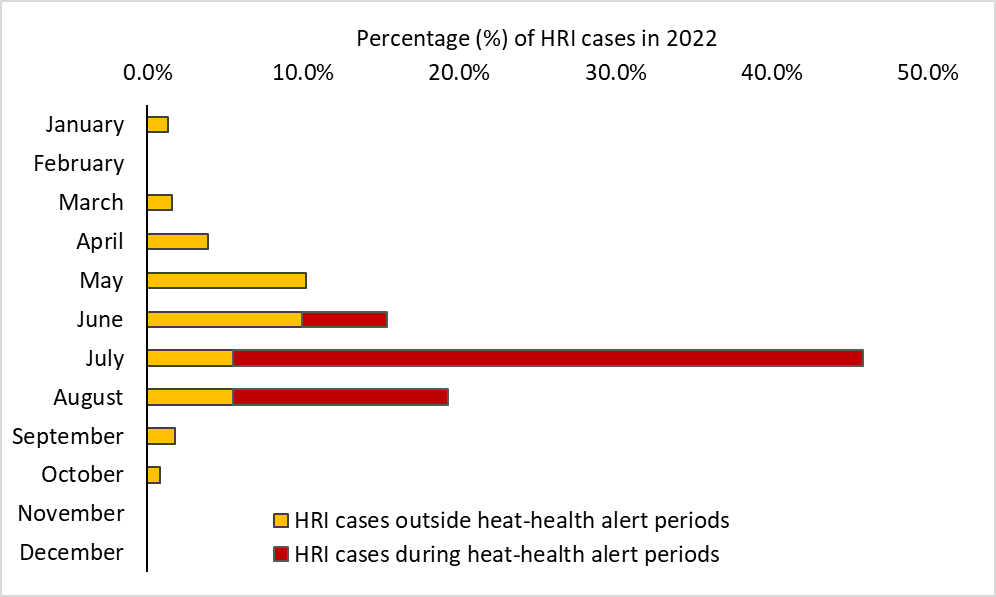
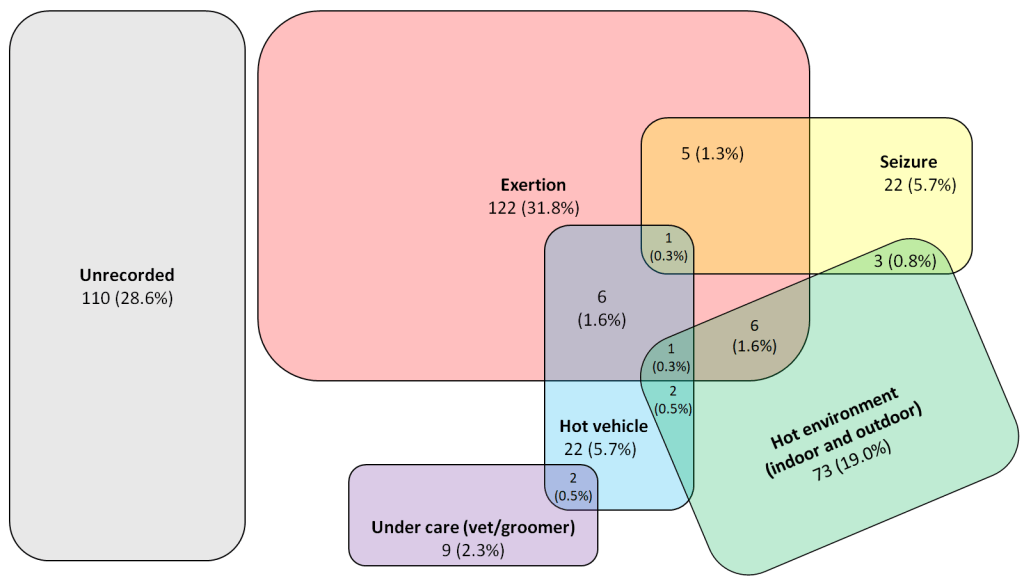
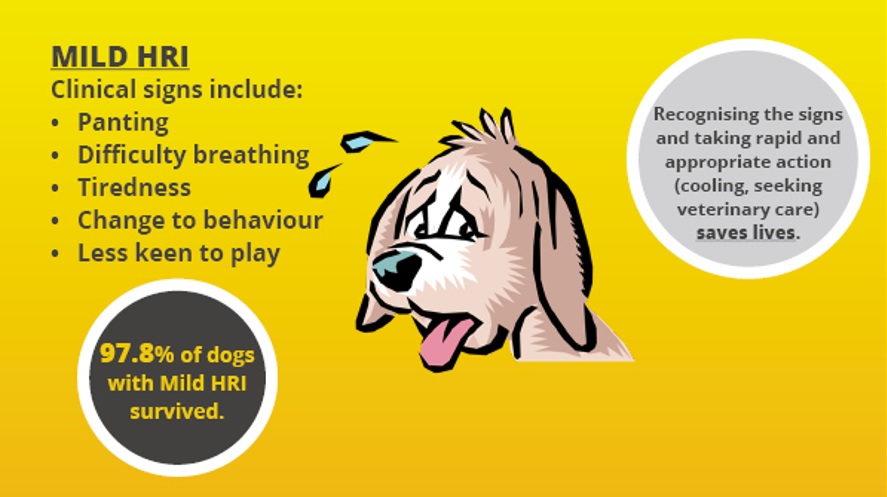
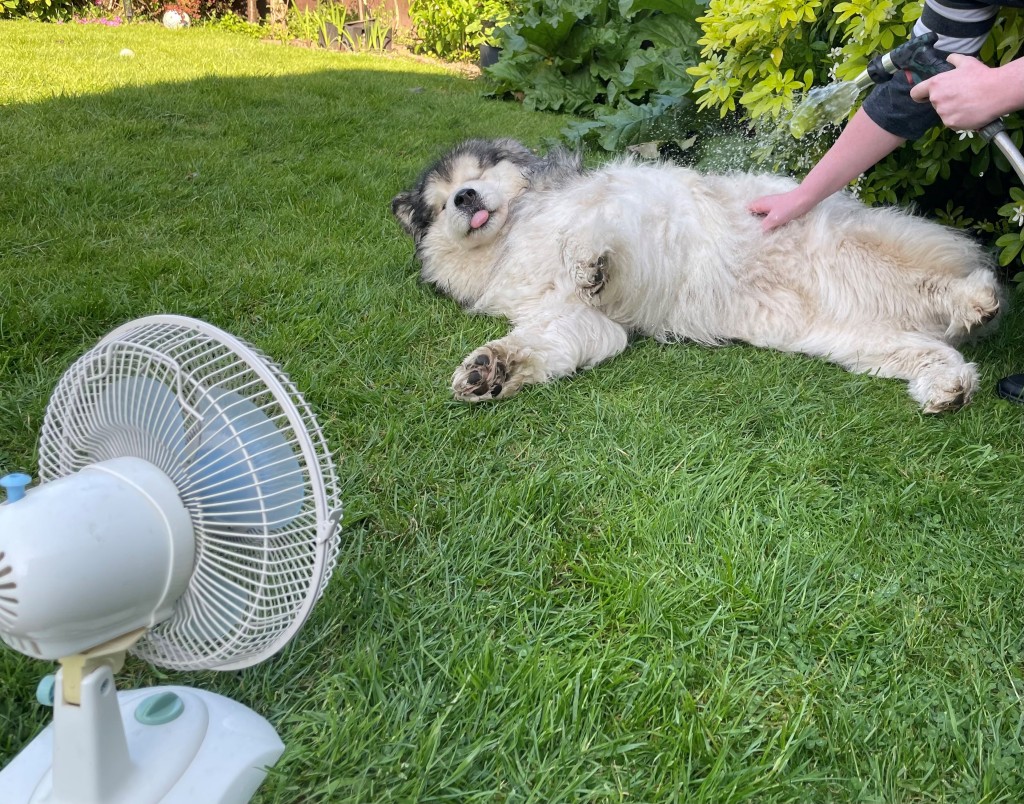
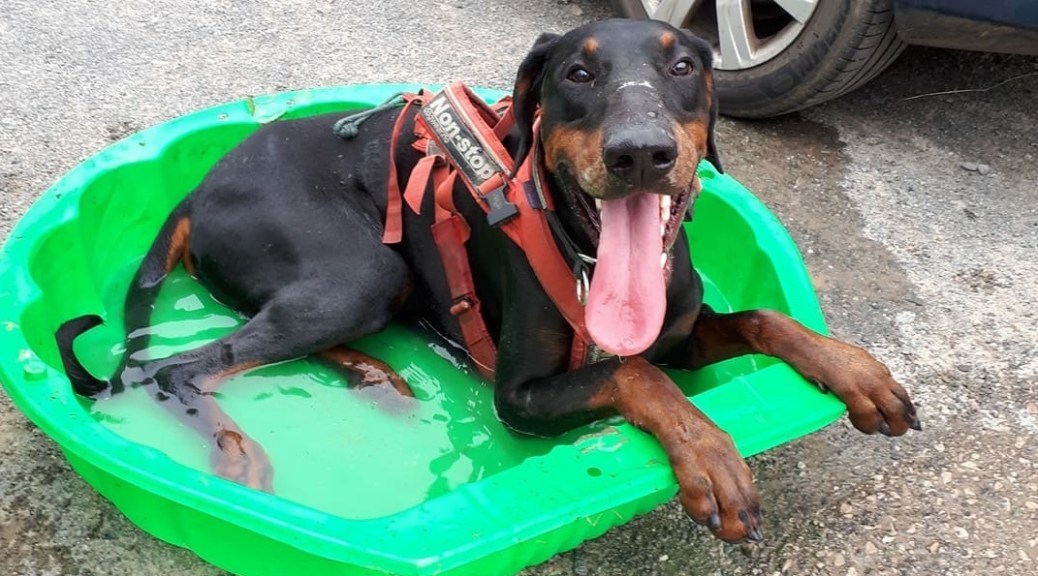
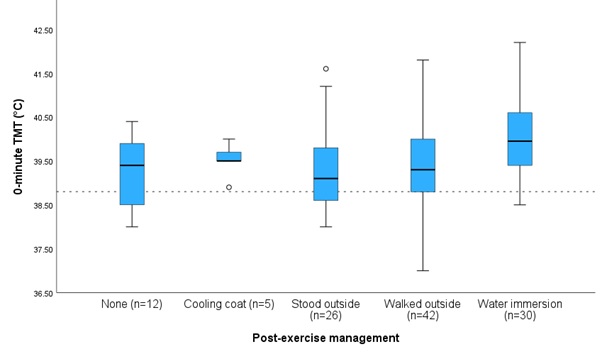
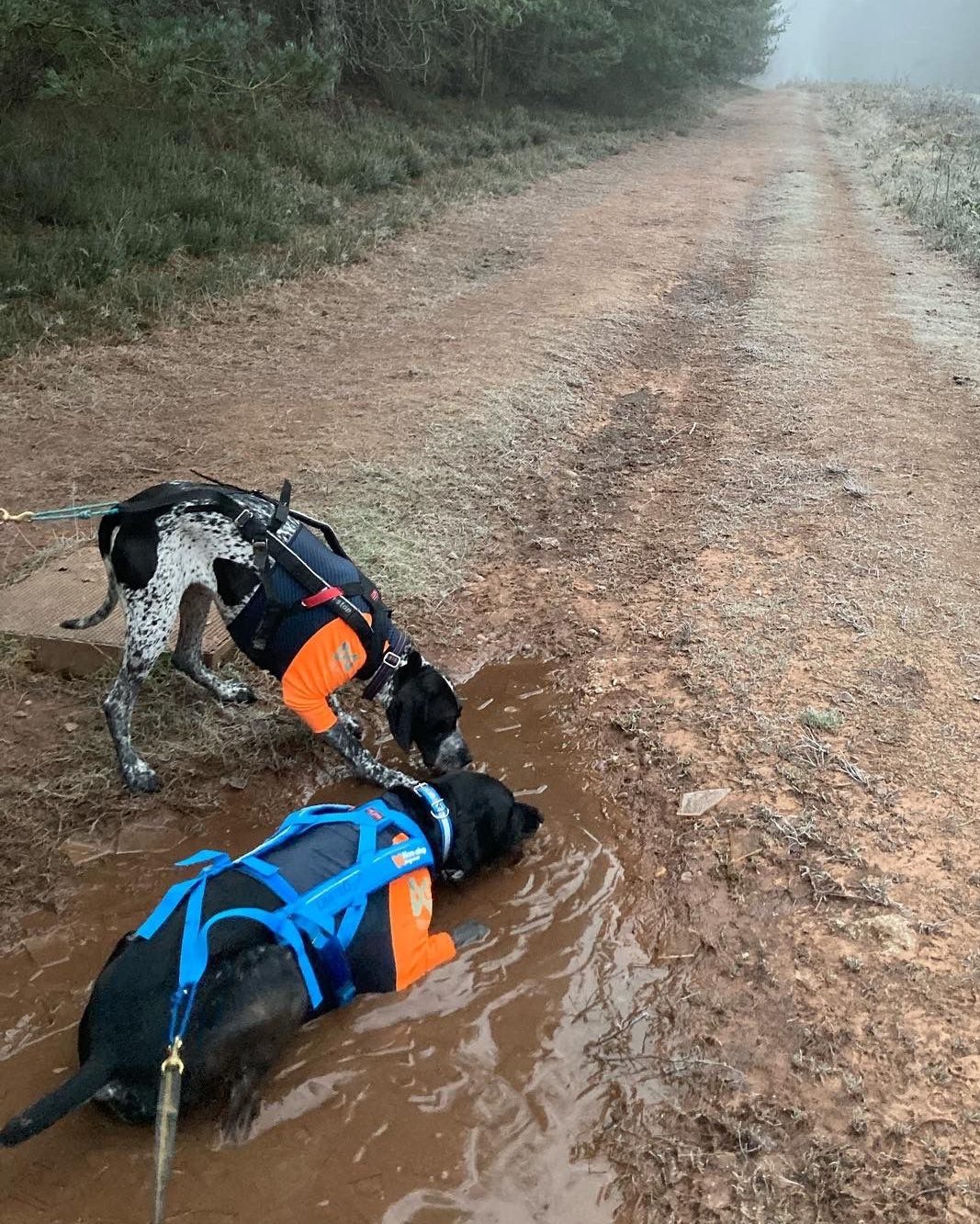
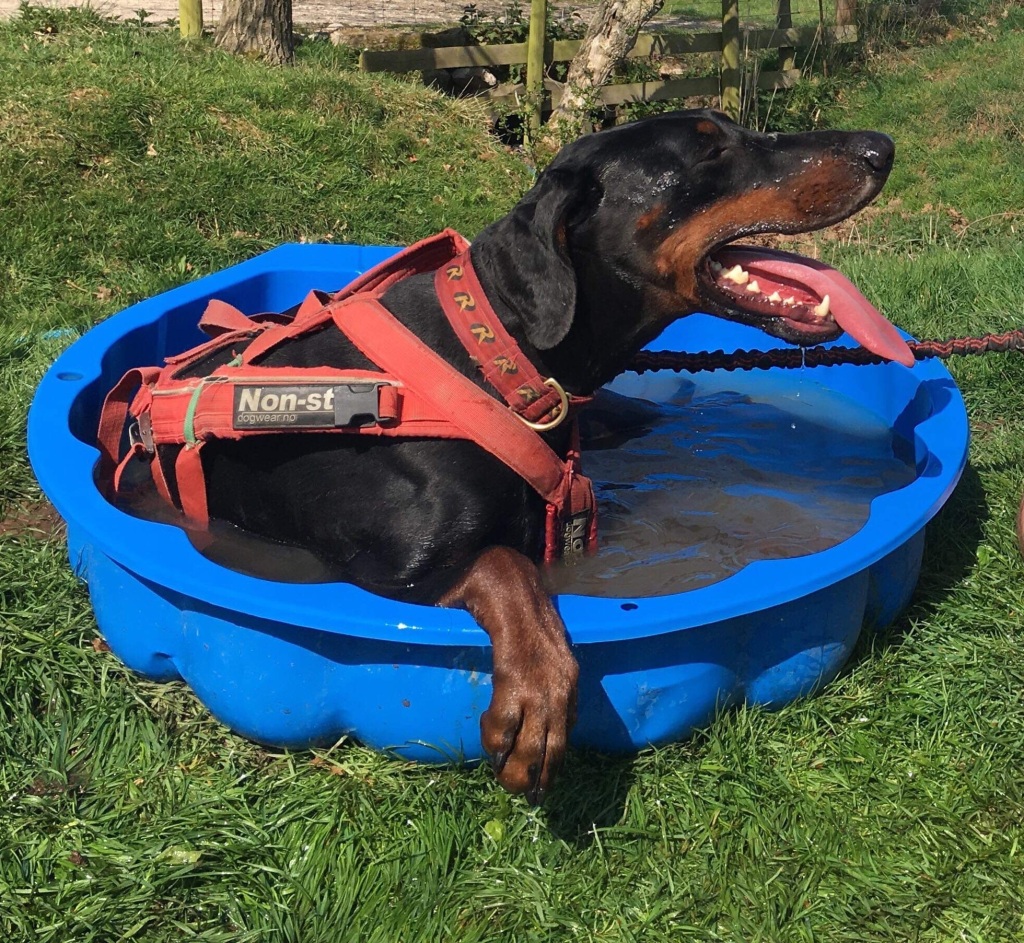
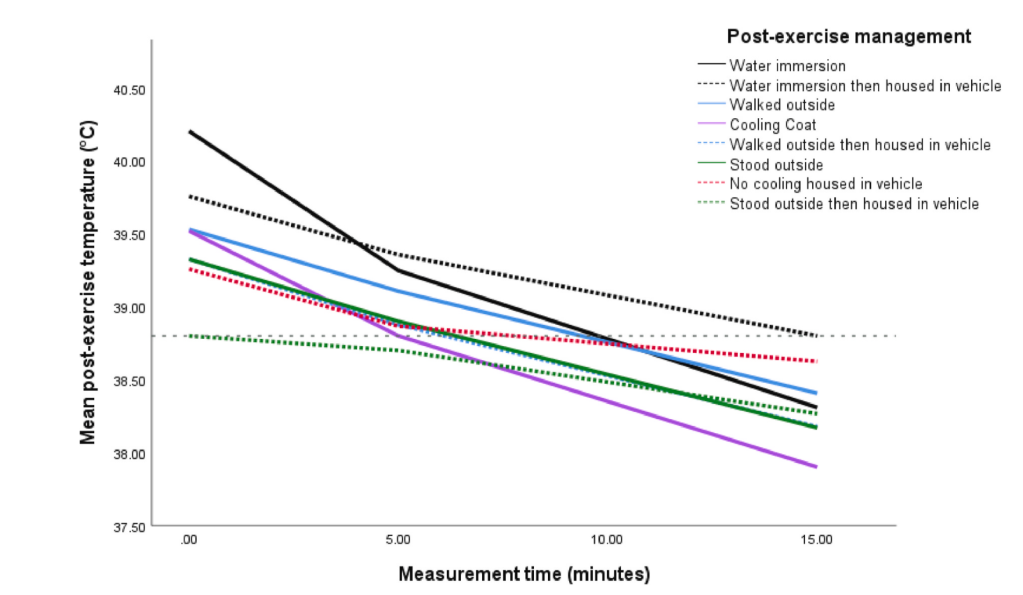
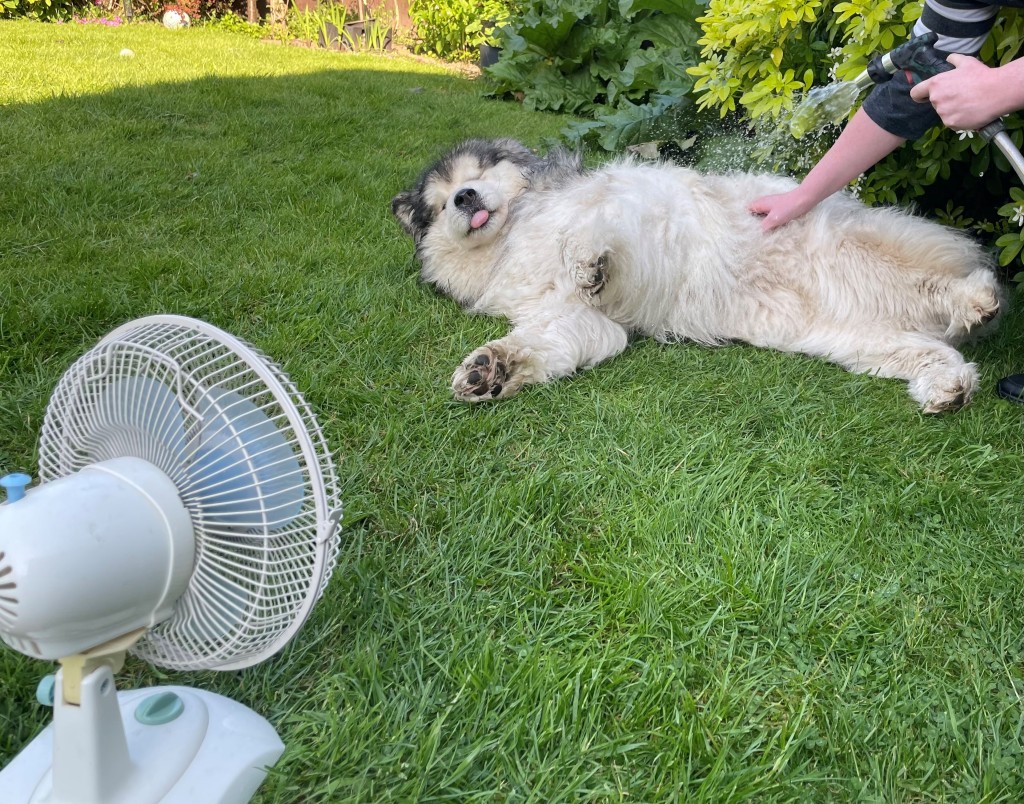


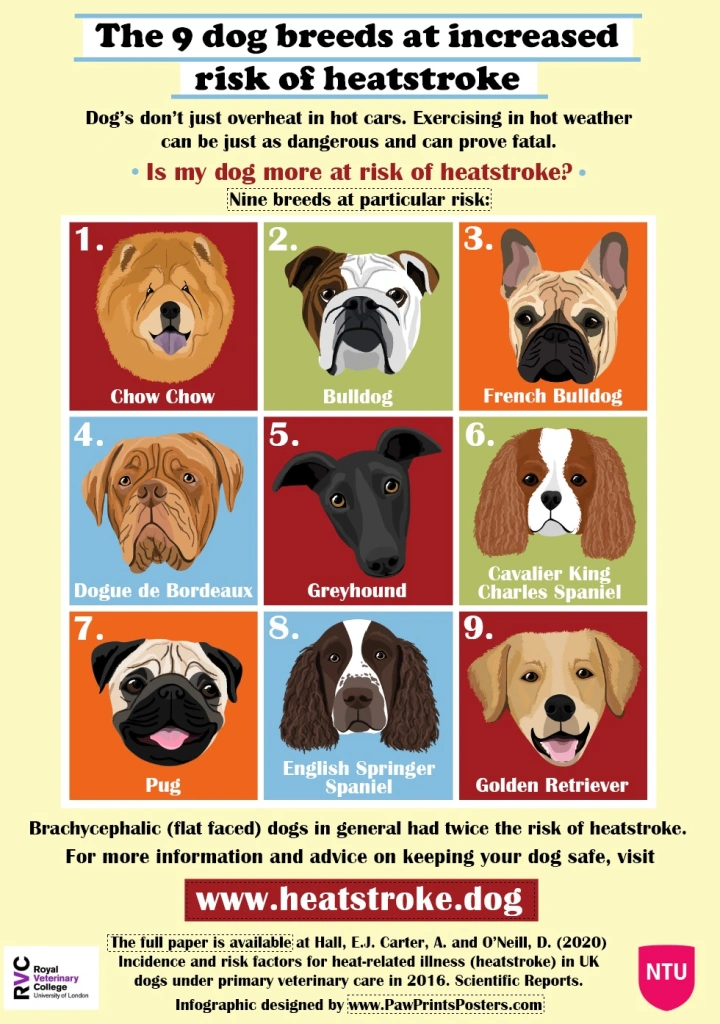
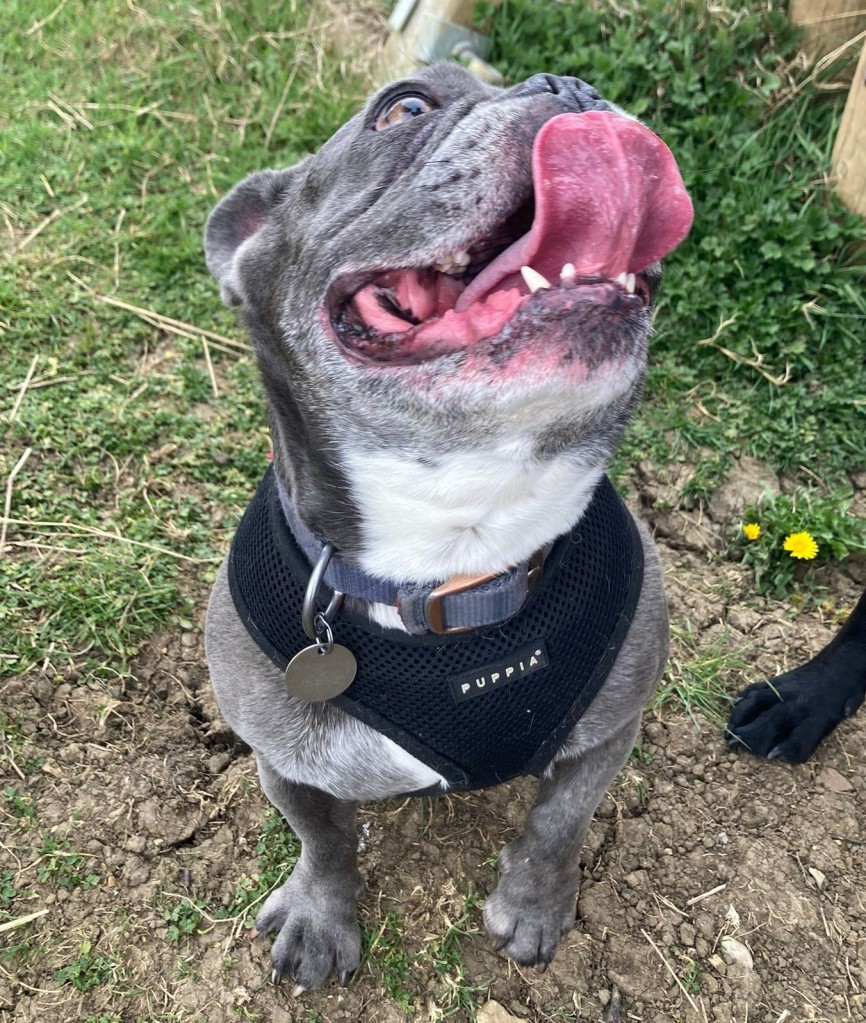
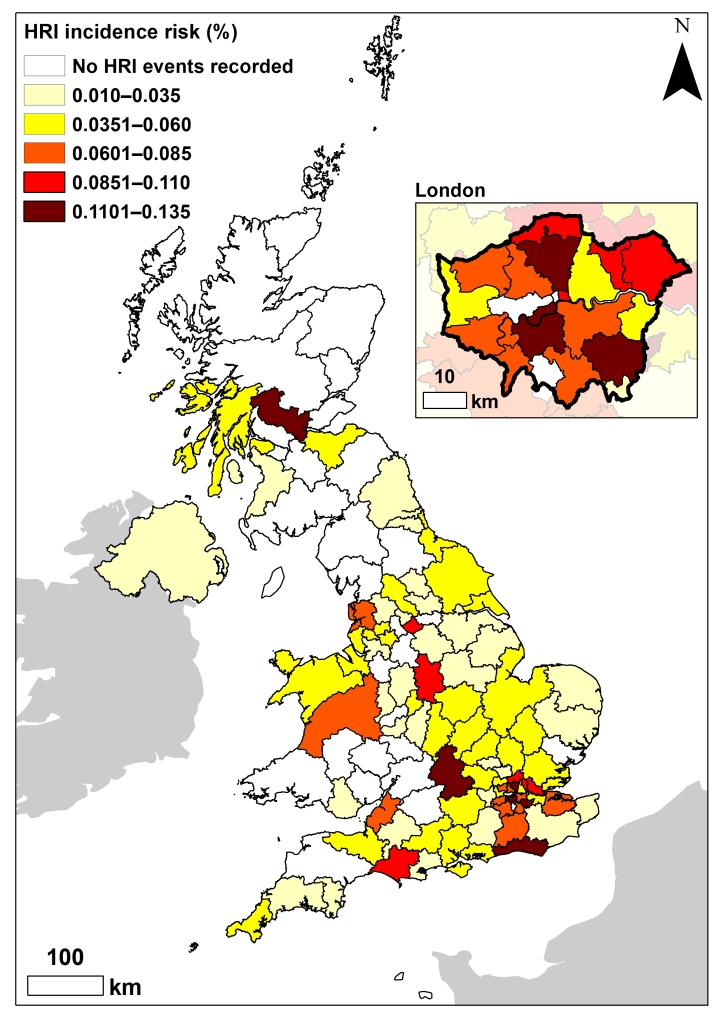


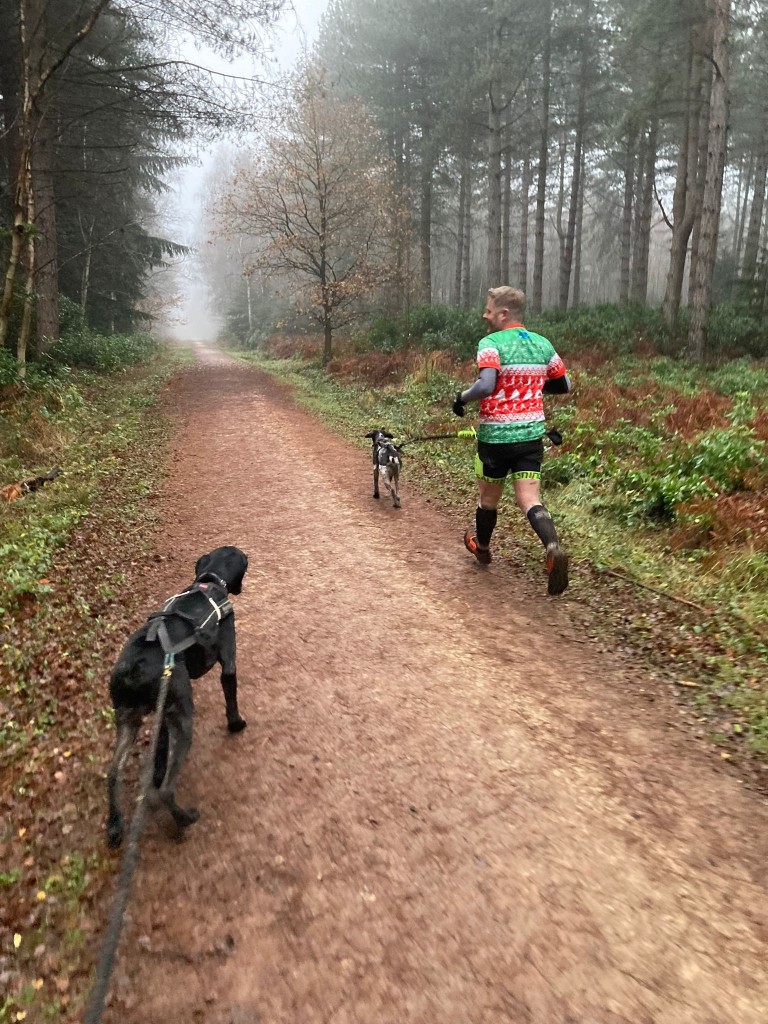

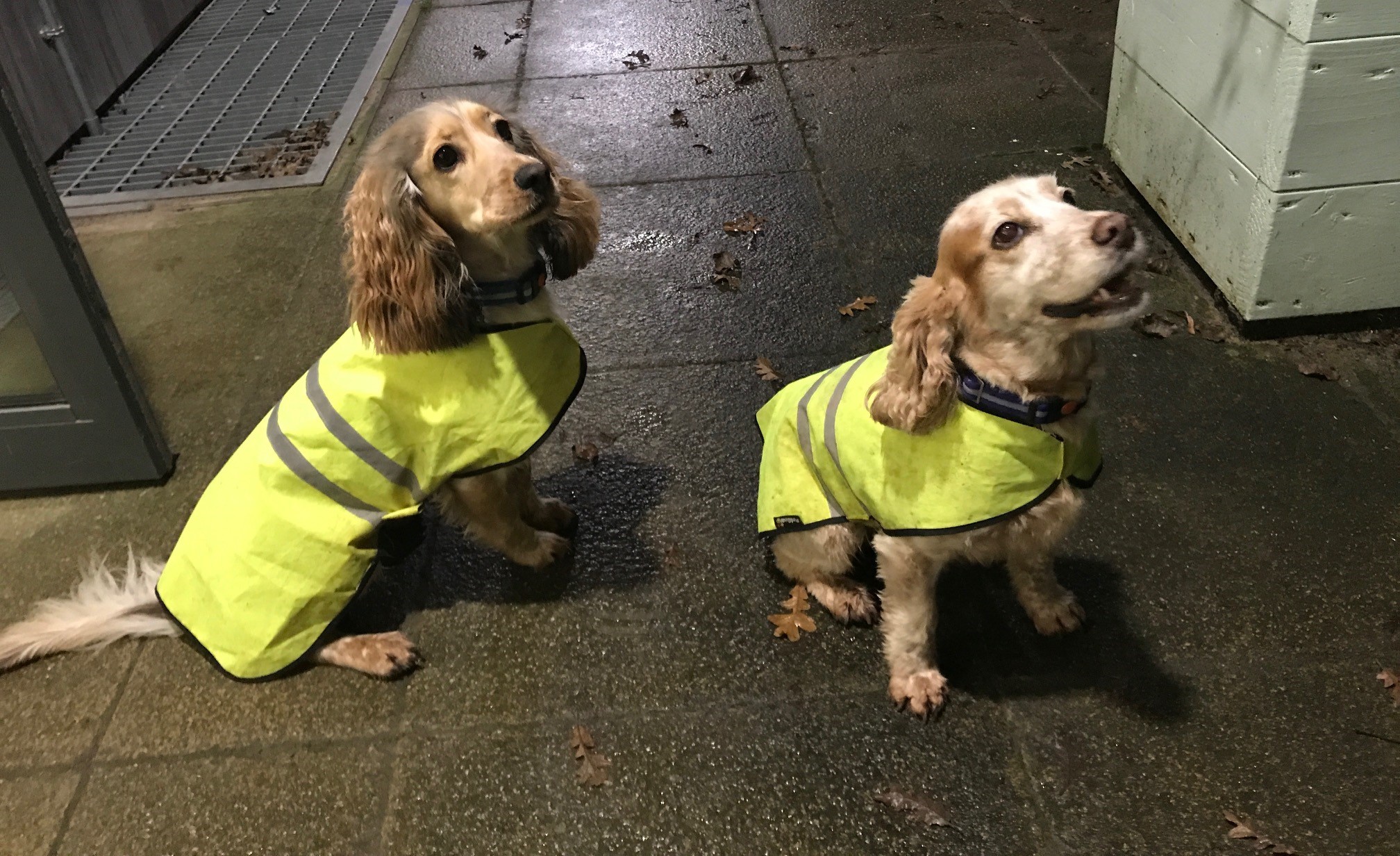
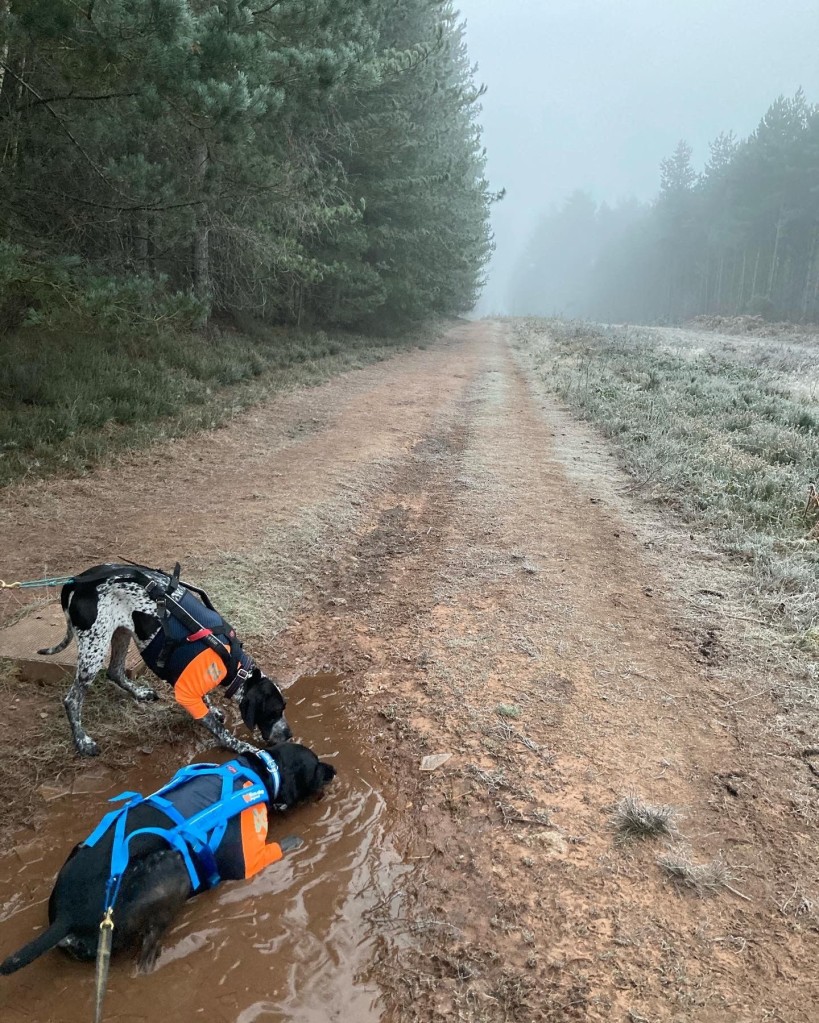
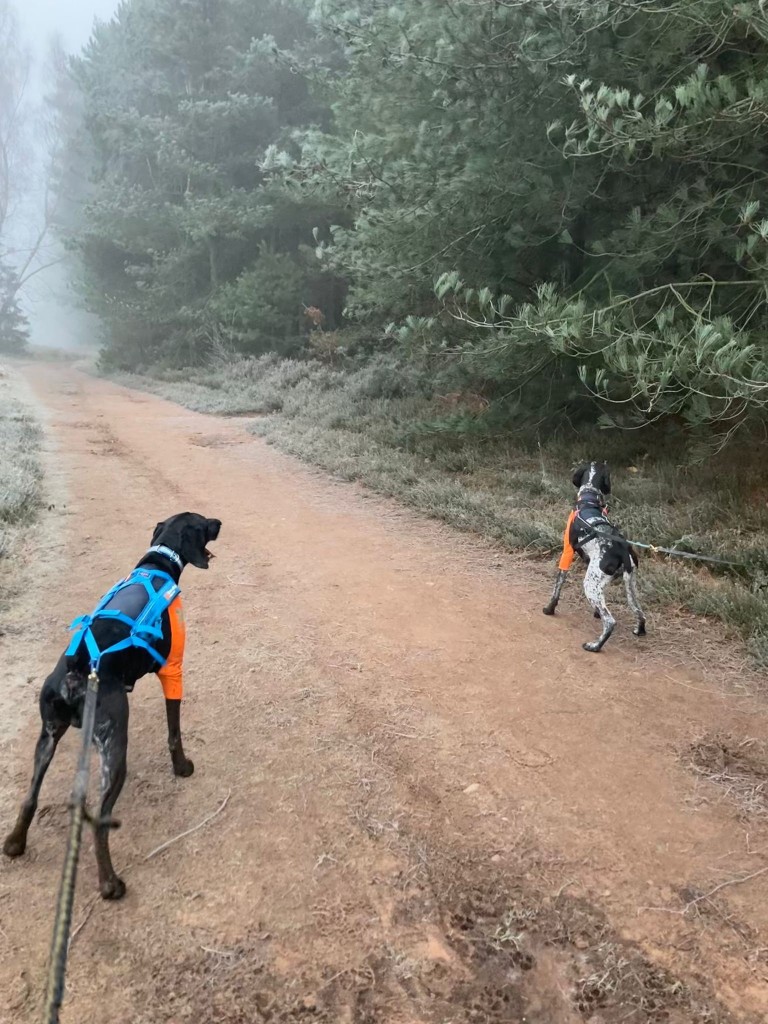

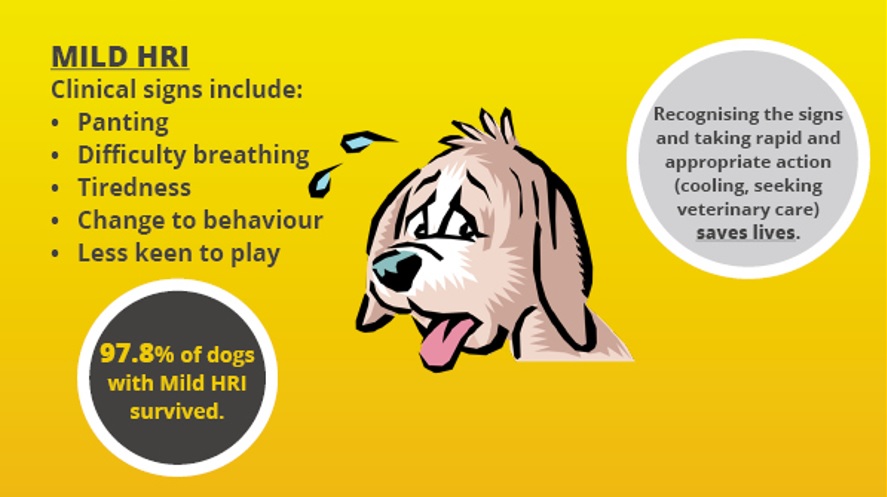
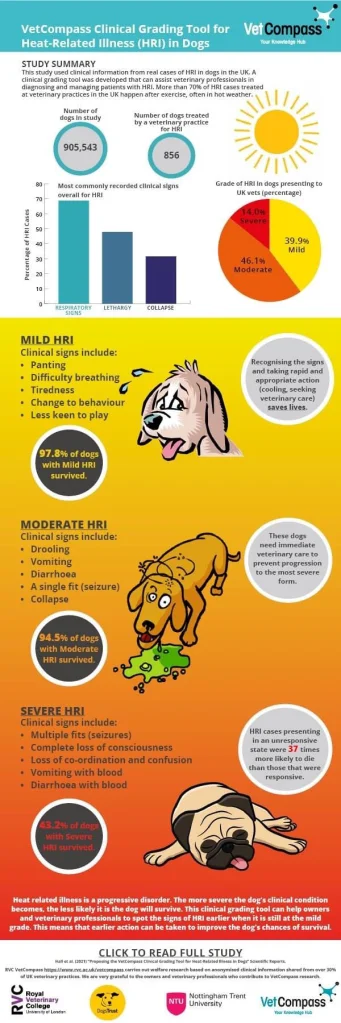





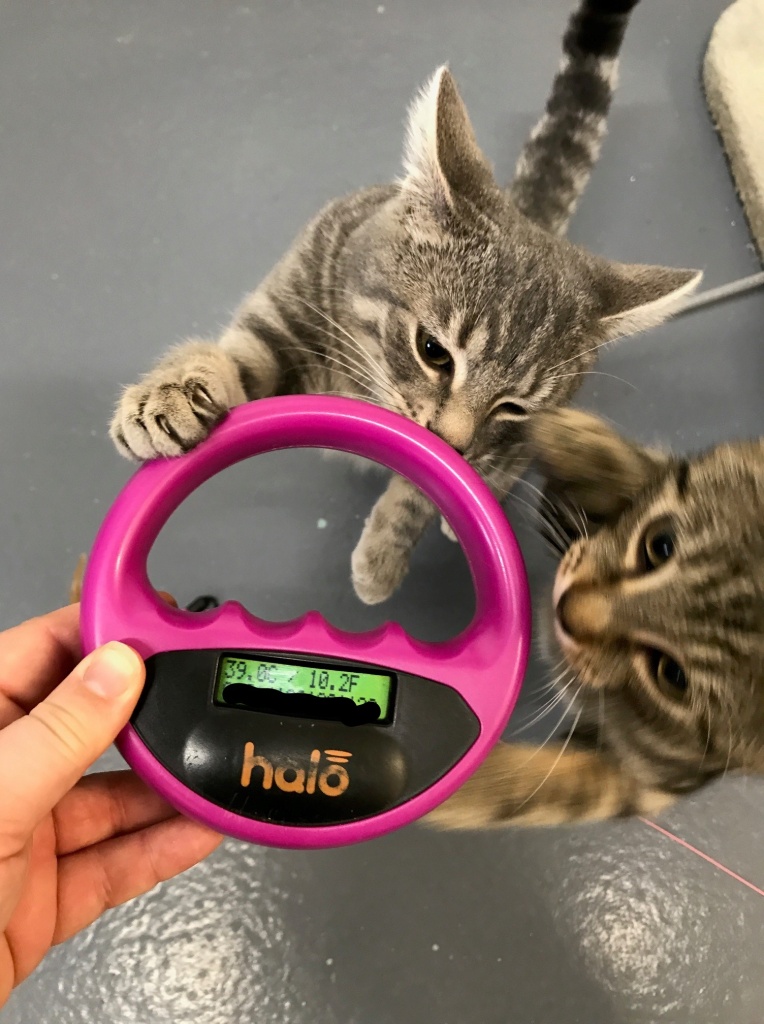



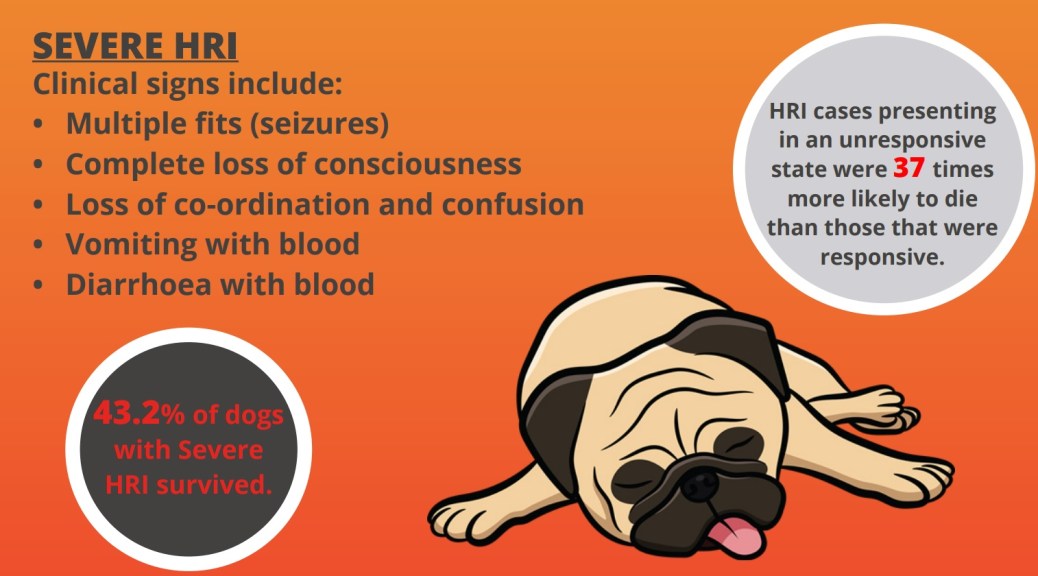
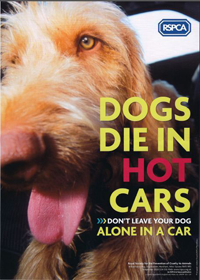



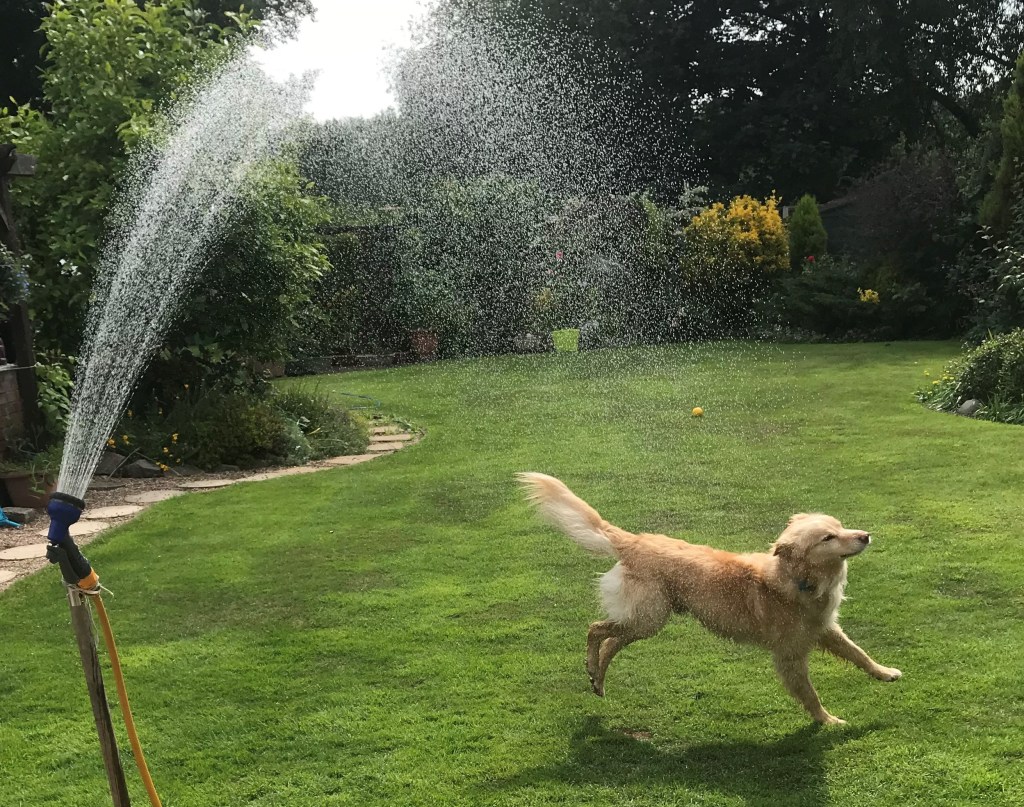

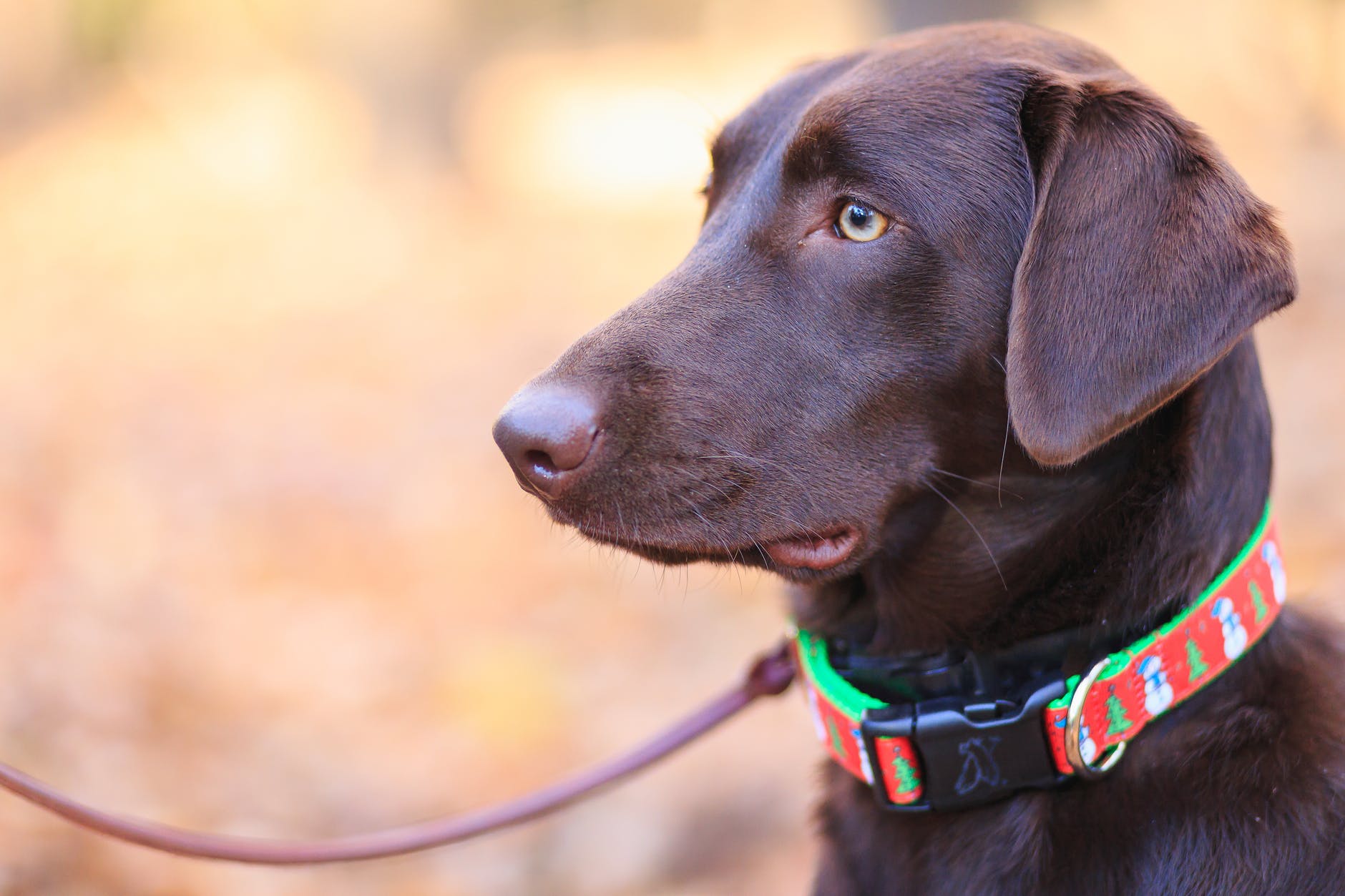
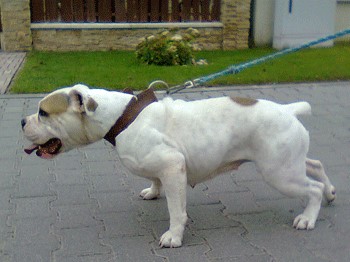
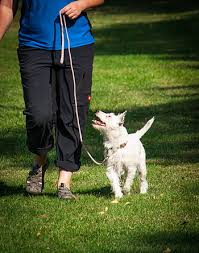
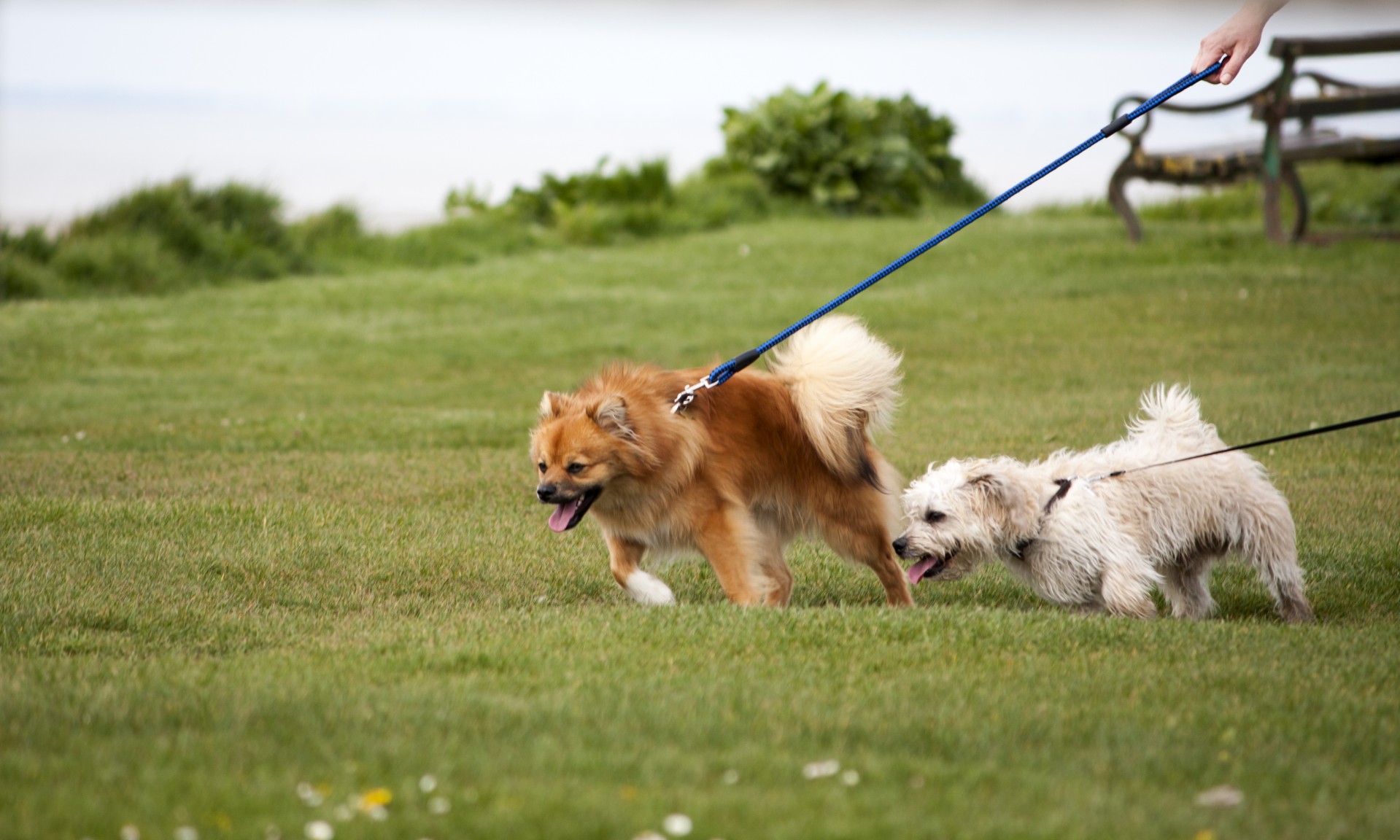
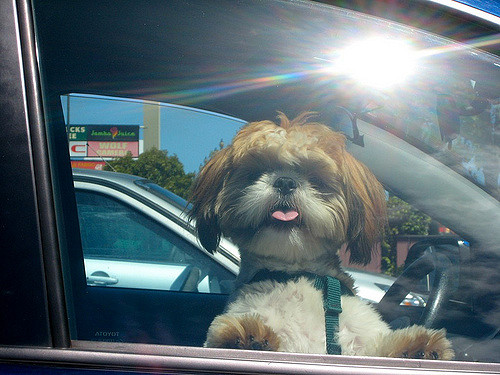





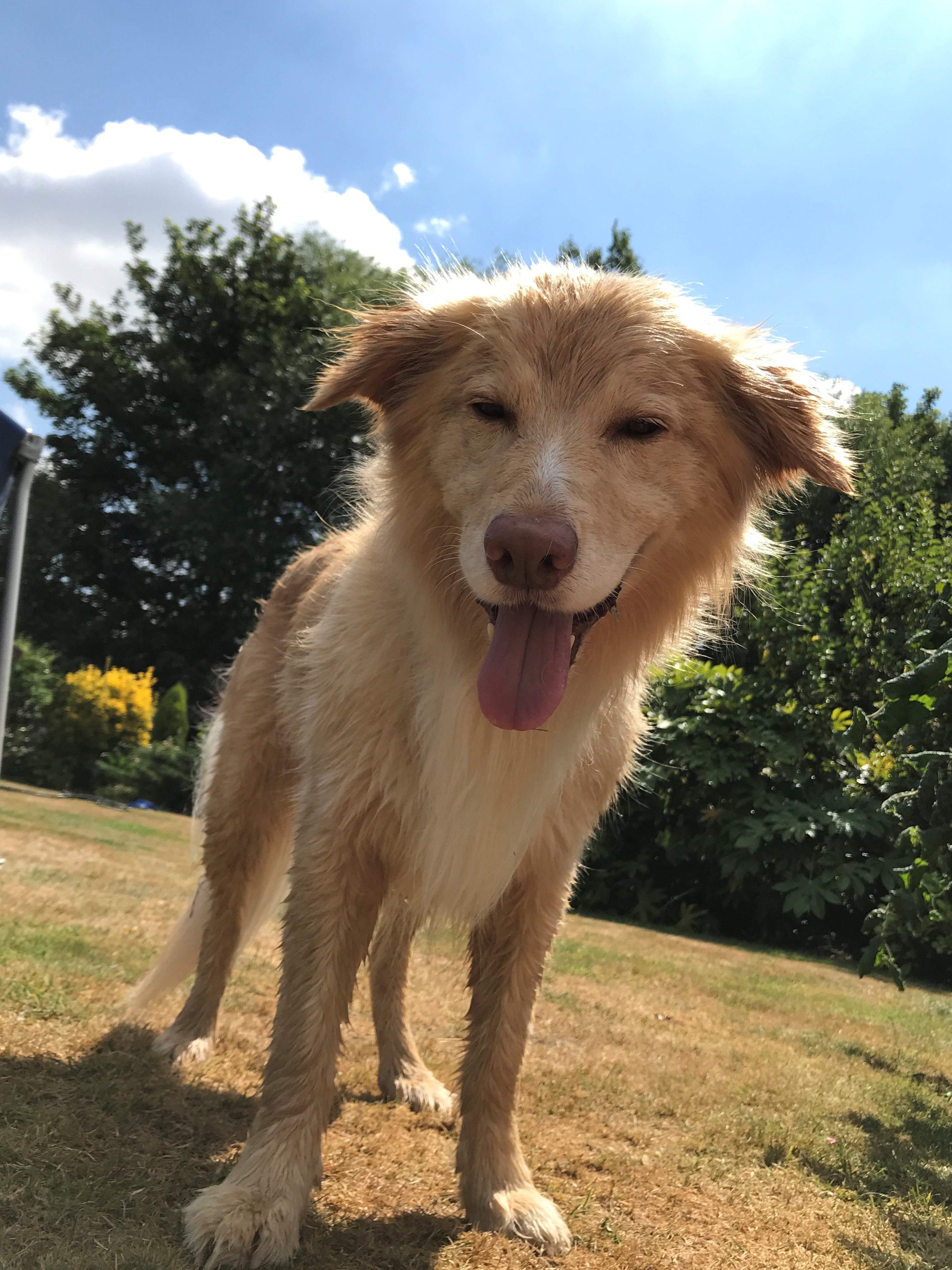

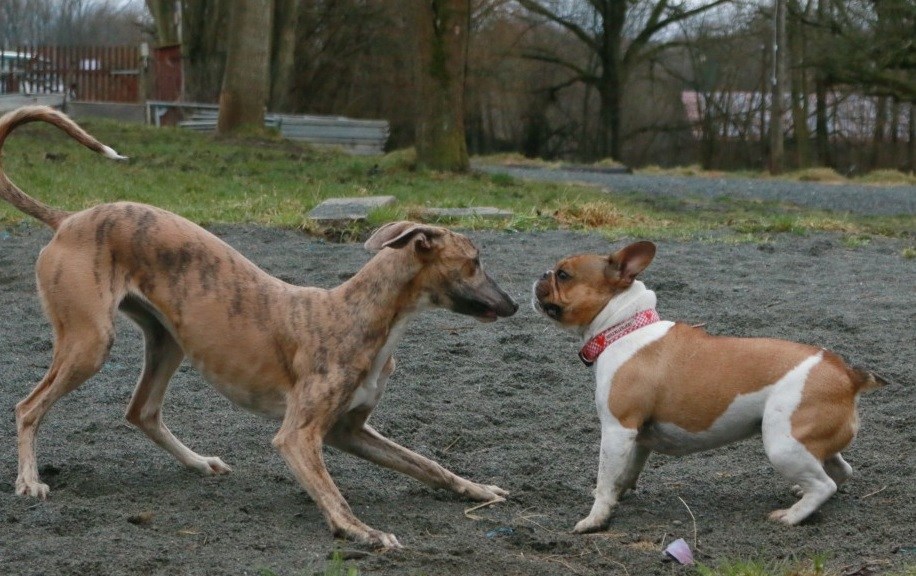

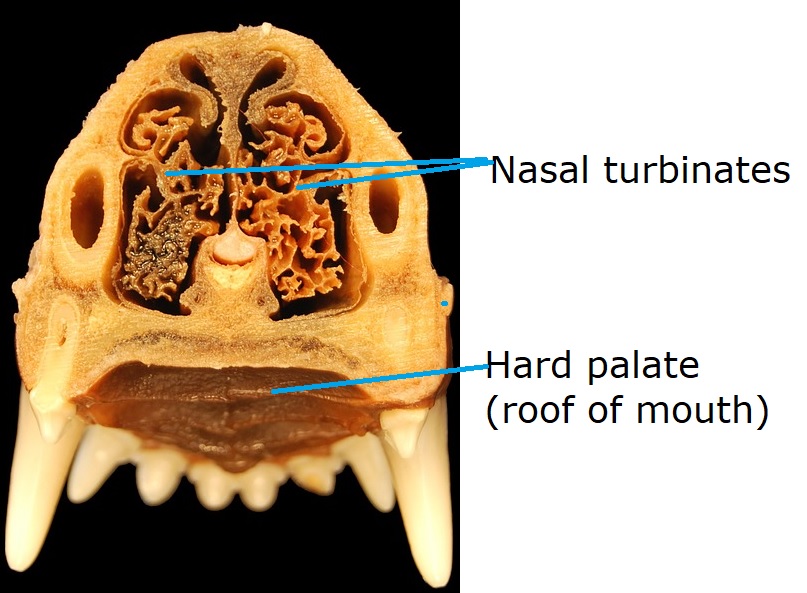






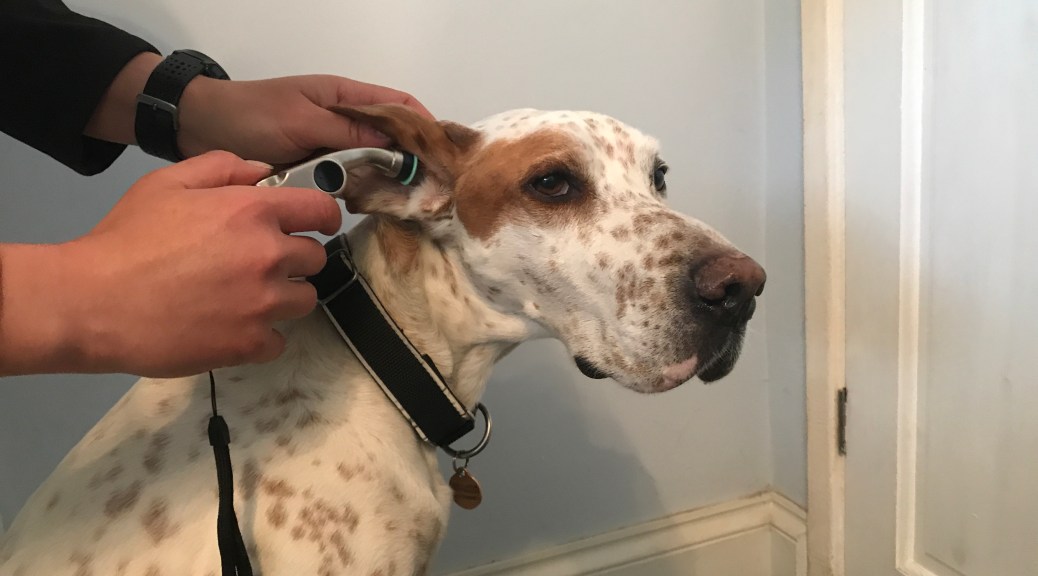
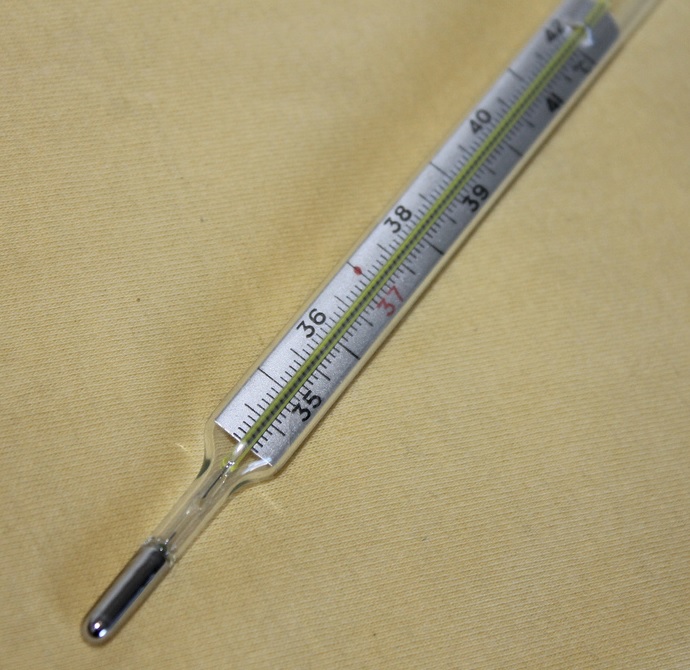
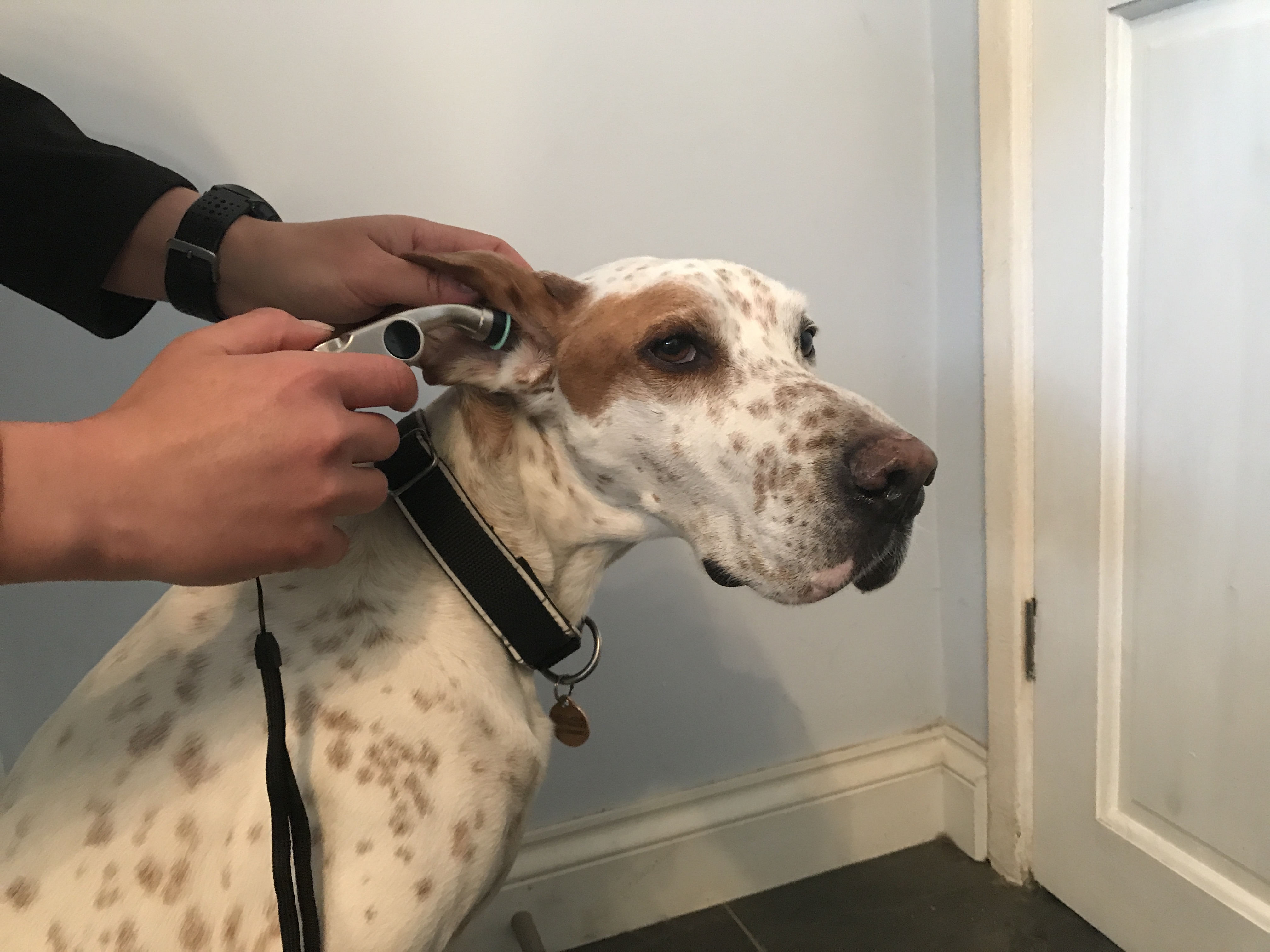
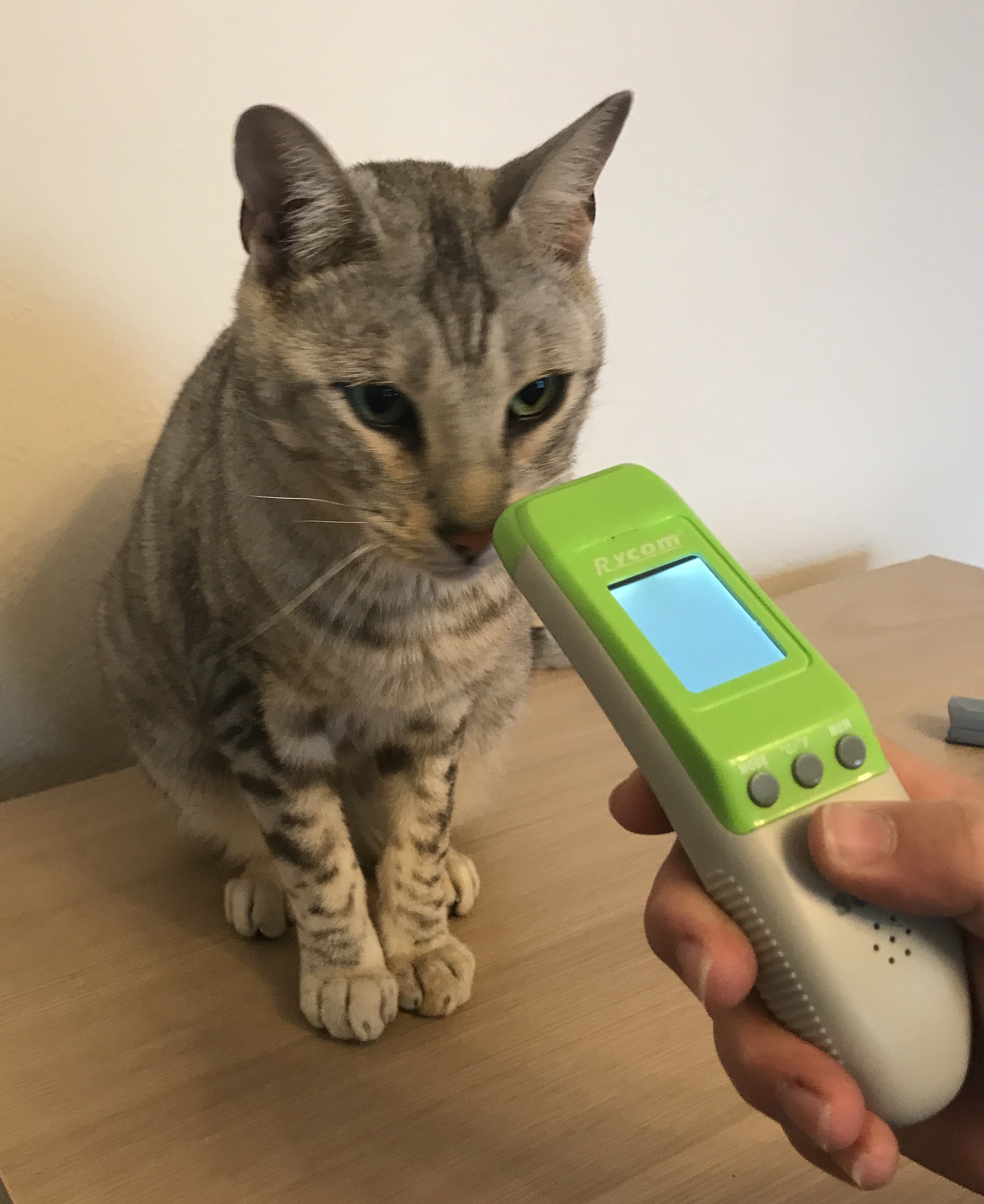


 Summer is a great time to get out and about with your dog. But dogs don’t tolerate the heat as well as their owners. When people get hot they start to sweat, but dogs are only able to do this through the pads on their paws. Dogs instead rely on panting as their main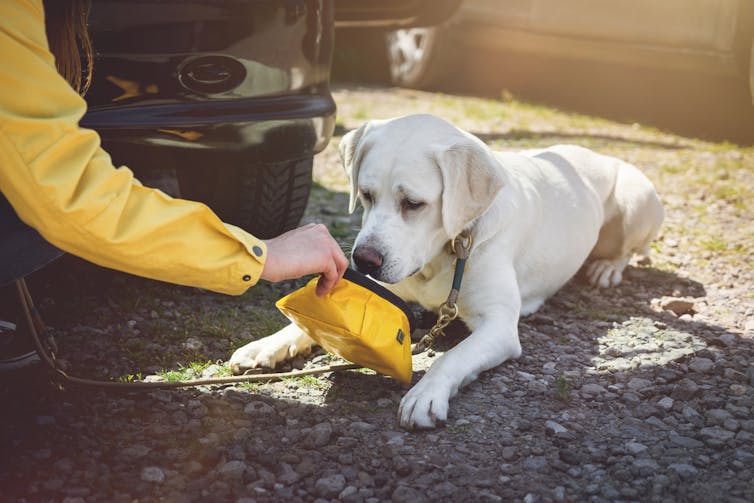


 Hot Dogs - heatstroke education for dog owners